L a n d s c a p e
⬇
Adaptation Planning in the Gulf Coast South
The 2019-2021 project focuses on the City of Port St. Joe, its surrounding region’s recovery from Hurricane Michael and long-term resilience to sea level rise. The research process led to community-prioritization of three projects for further development and potential implementation. These three projects include Urban Connection, Parks and Open Space, and Affordable and Resilient Housing. These three projects continue to involve community stakeholders, with the goal of developing resilient design and policy that will be implemented through future grants to the City.
Author: Jeff Carney, Eliza Breder, Christian Figueroa, Forough Foroutan
Partner: Florida Institute for Built Environment Resilience
Funding: Center for the Humanities and the Public Sphere
Software: ArcGIS Pro, Adobe Illustrator, Adobe Photoshop, AutoCAD
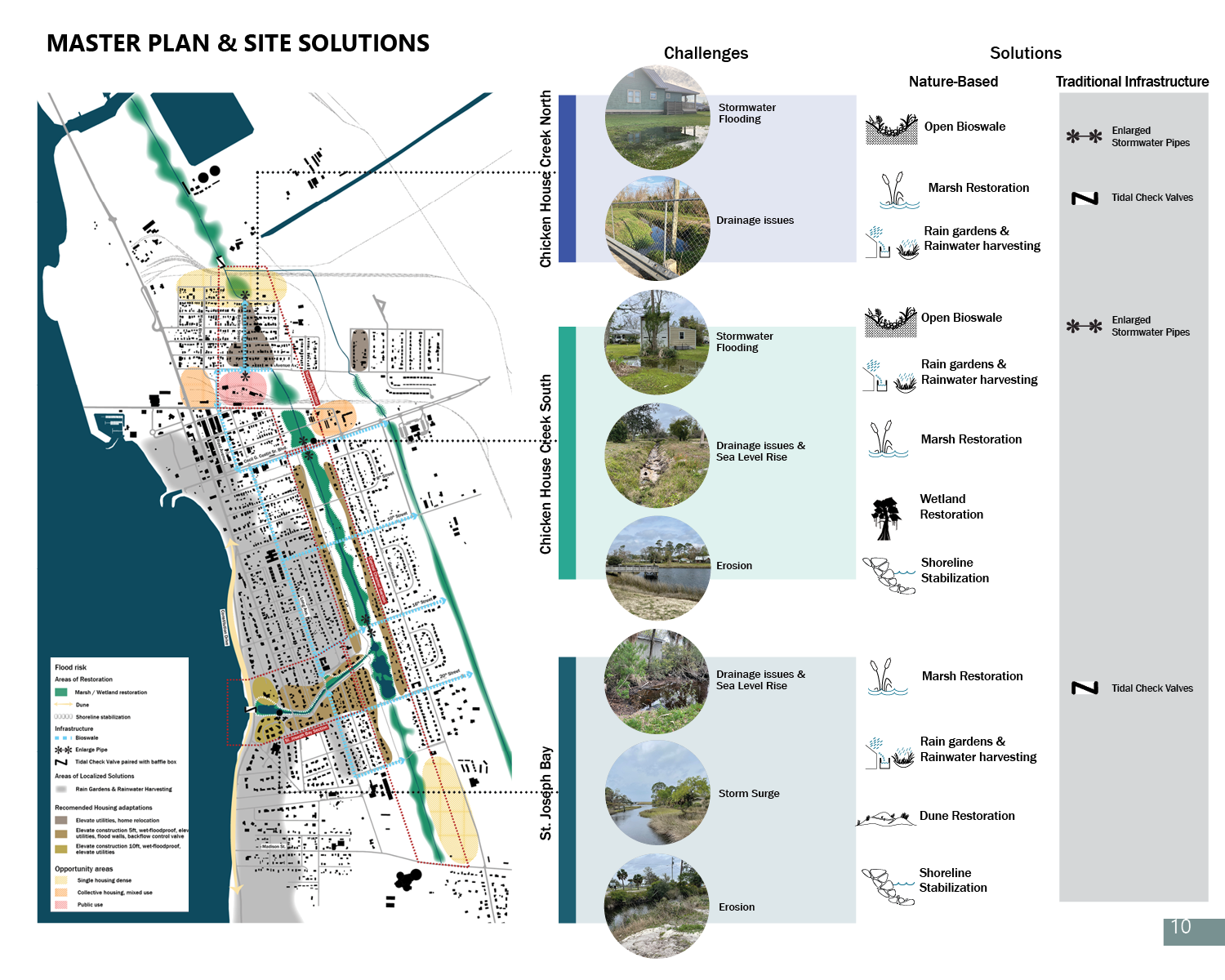
Final Strategic Plan for flood risk and adaptation in Port St. Joe
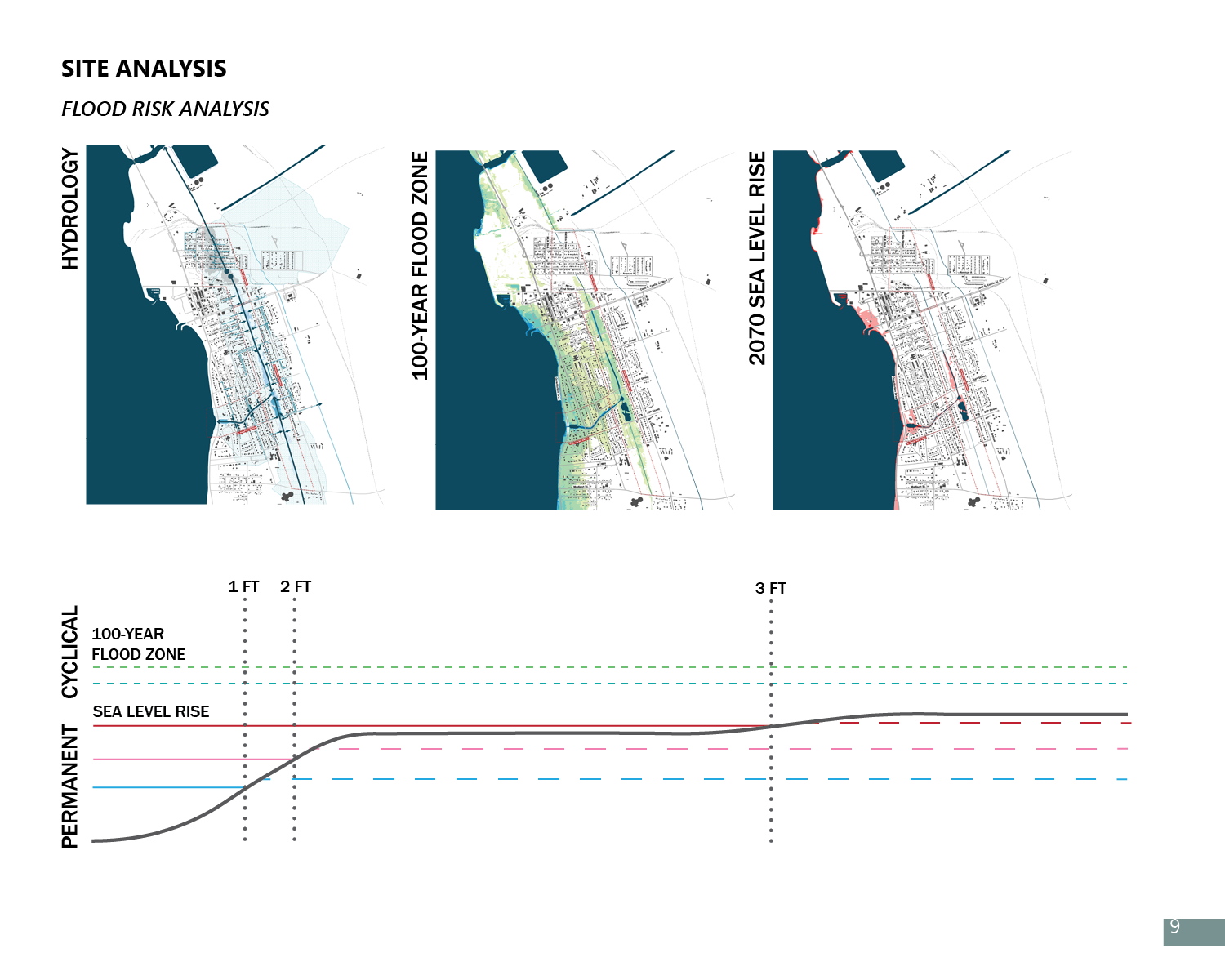
Flood Risk analysis completed in GIS and rendered in Adobe Illustrator
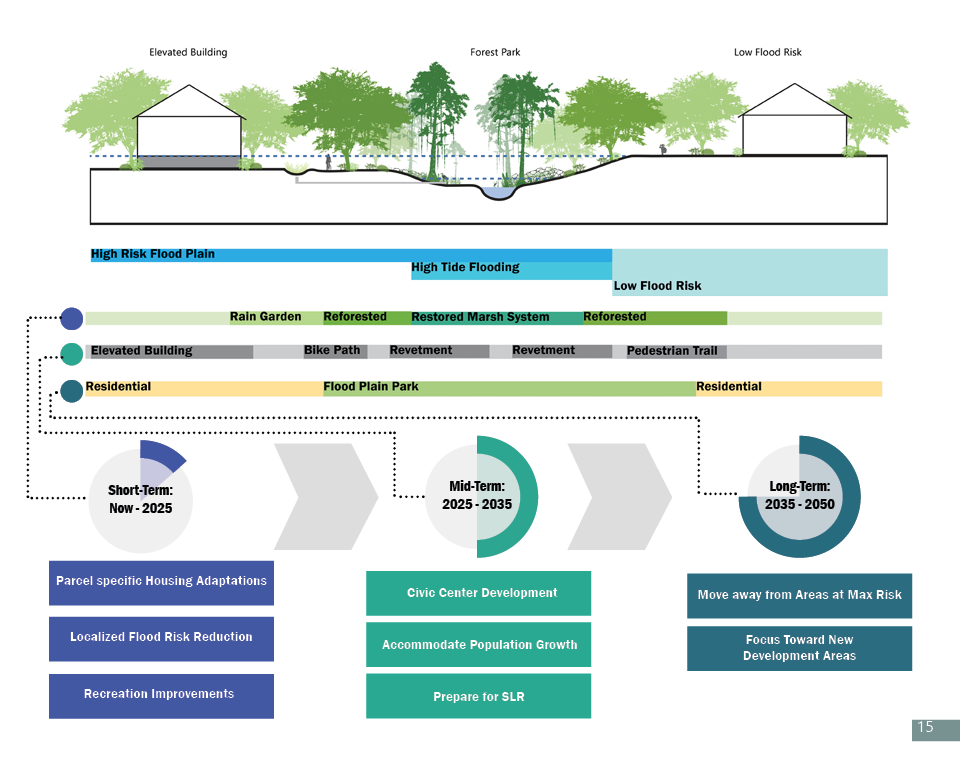
Strategic short term, mid term, and long-term planning
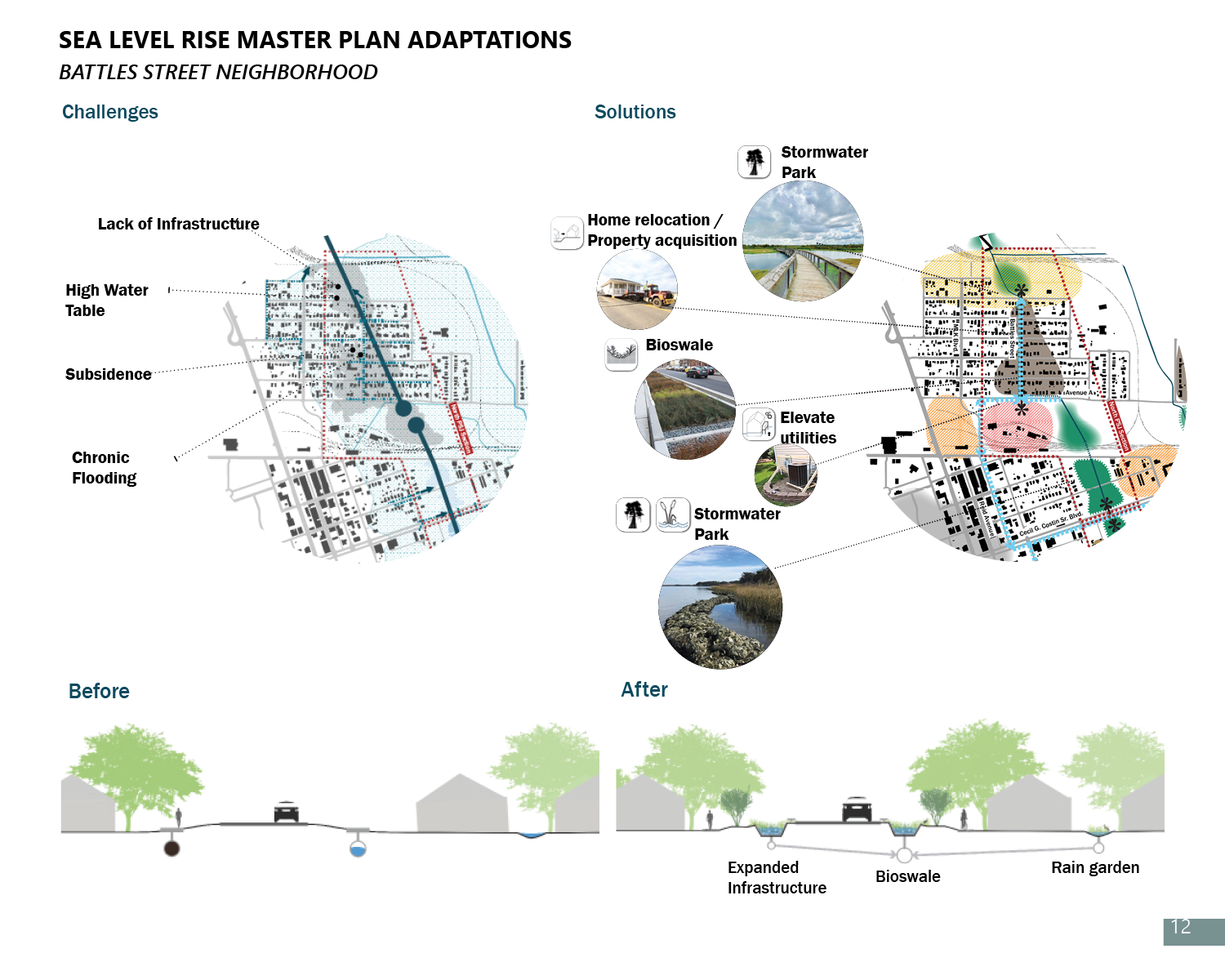
Adaptation strategies for the Battles Street neighborhood completed in Illustrator
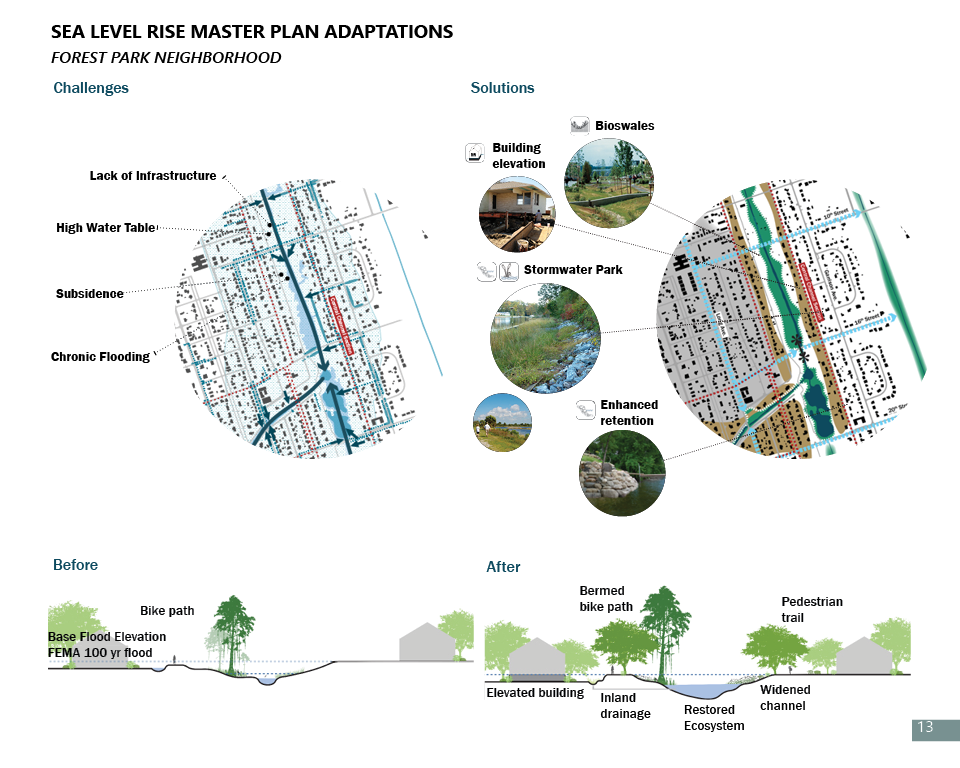
Adaptation plan for Forest Park Neighborhood completed in Illustrator
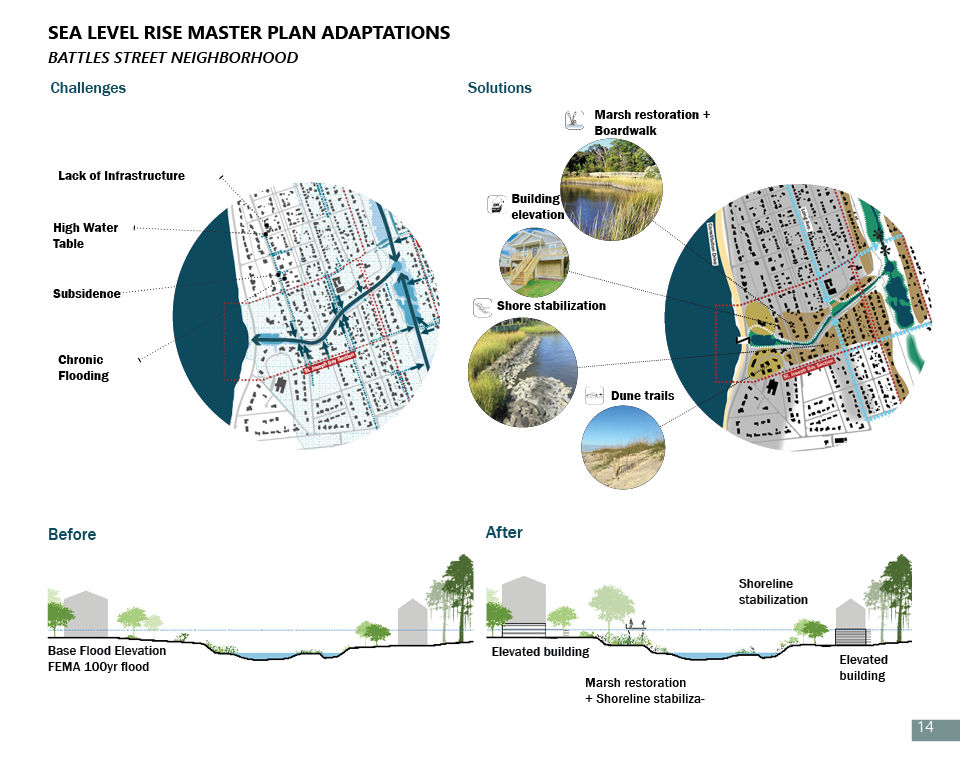
Adaptation plan for the Canal District completed in Illustrator
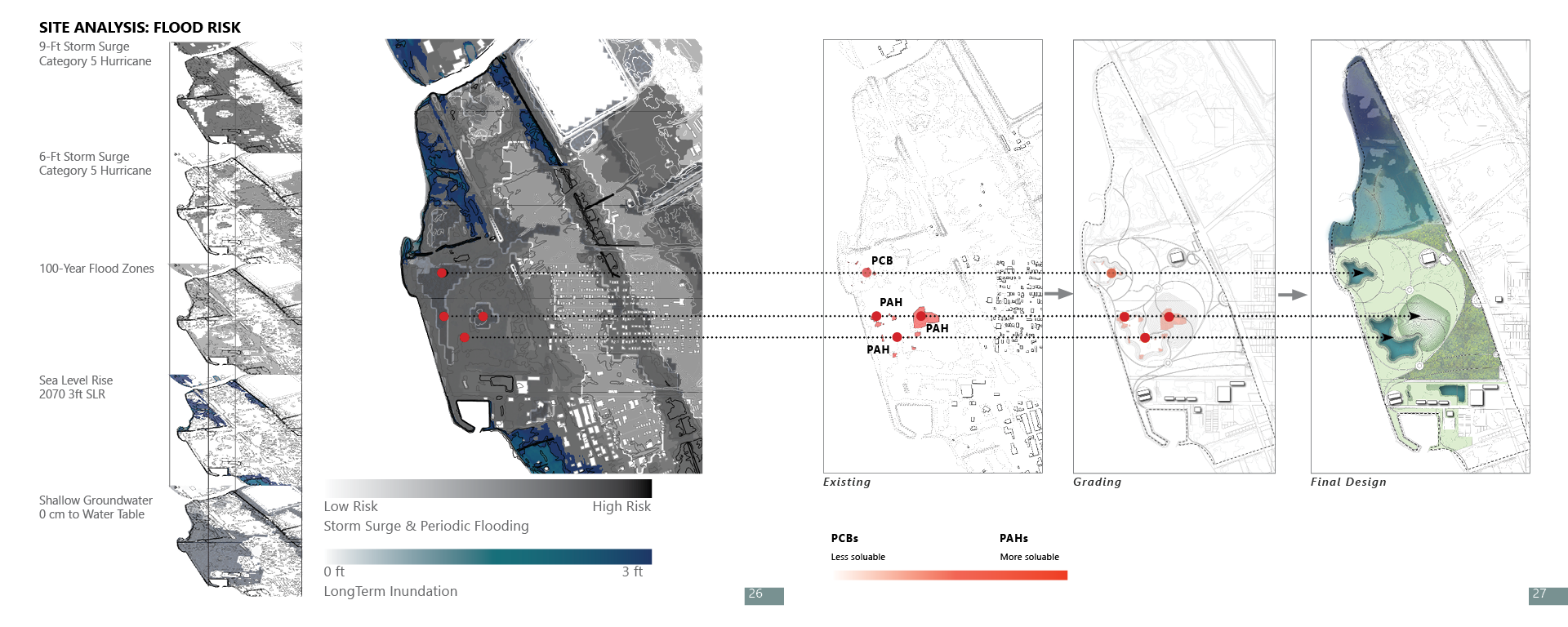
Superfund Site Remediation
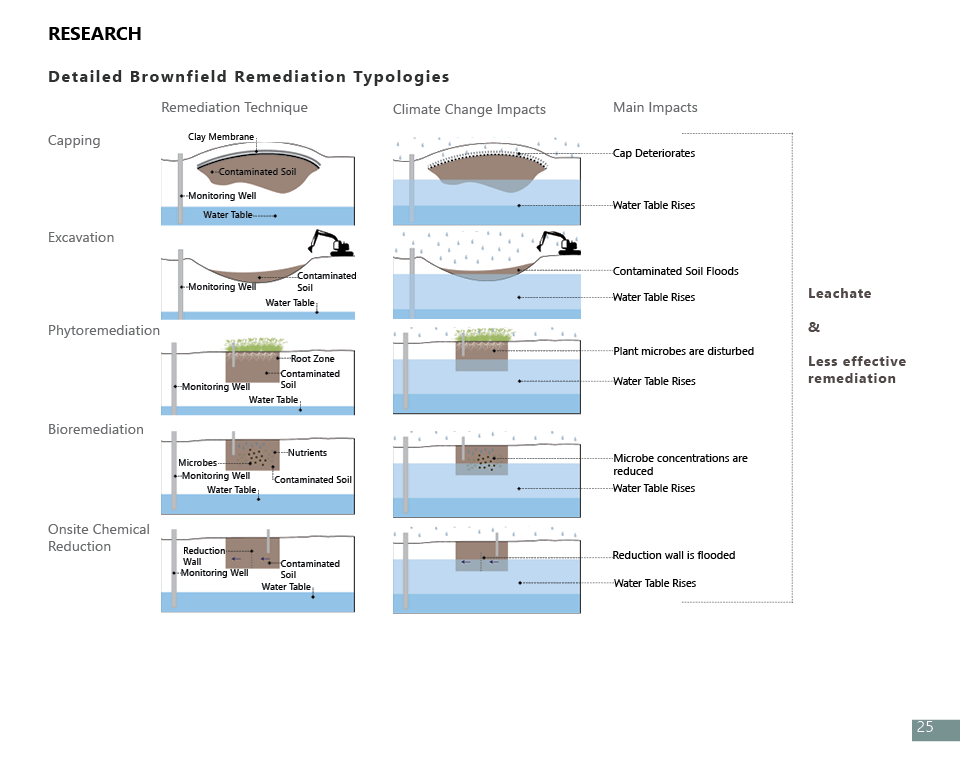
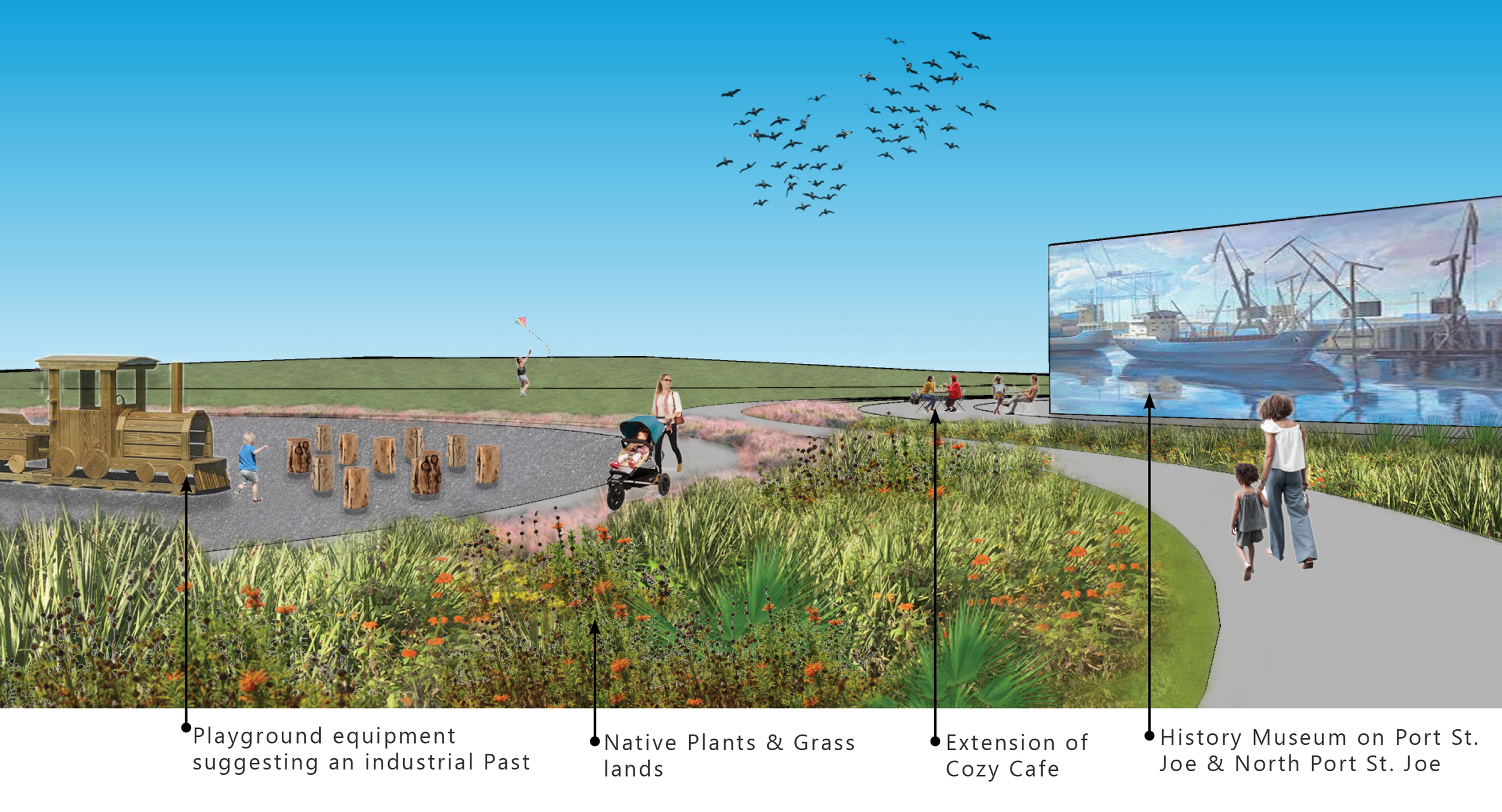
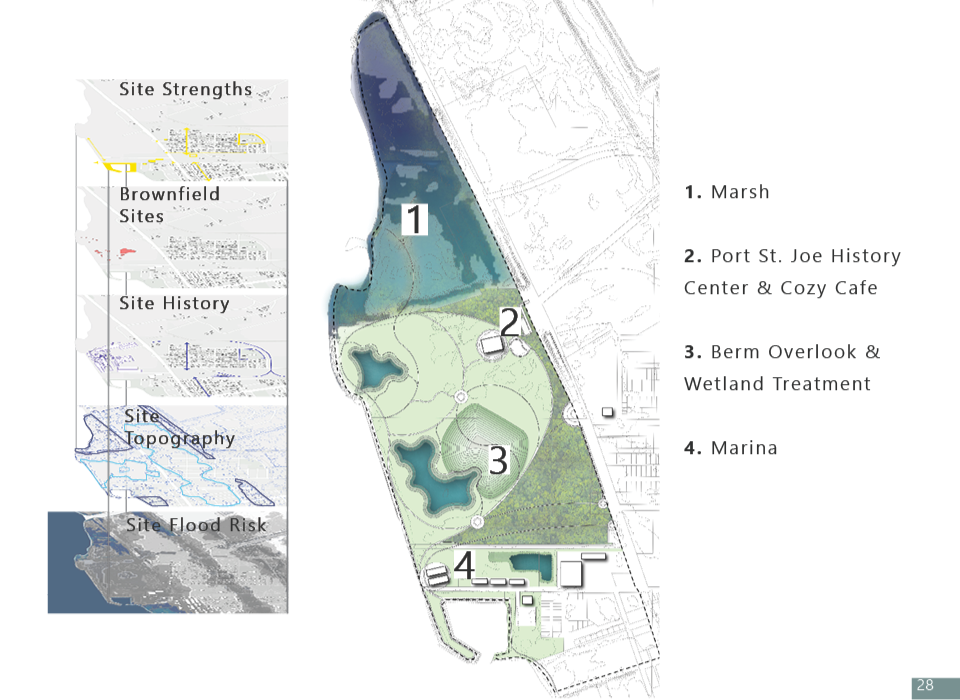
Toxic waste site remediation policies and programs only consider land use, present surface water bodies, and present depths to groundwater. They do not consider remediation standards in the face of flood risks and future inundation from rising seas. Remediation processes and techniques as well as their specific risks to climate change were analyzed. Existing nature-based design solutions were explored for their compatibility with toxic waste excavation, inundation, and wave attenuation. This knowledge was applied a Superfund site that is responsive to sea level rise, large flood events, and the need for parks and community gathering space.
Author: Eliza Breder
Partner: Florida Institute for Built Environment Resilience
Software: ArcGIS Pro, Adobe Illustrator, Adobe Photoshop, AutoCAD

Grizzly Peak Residential Fire Design
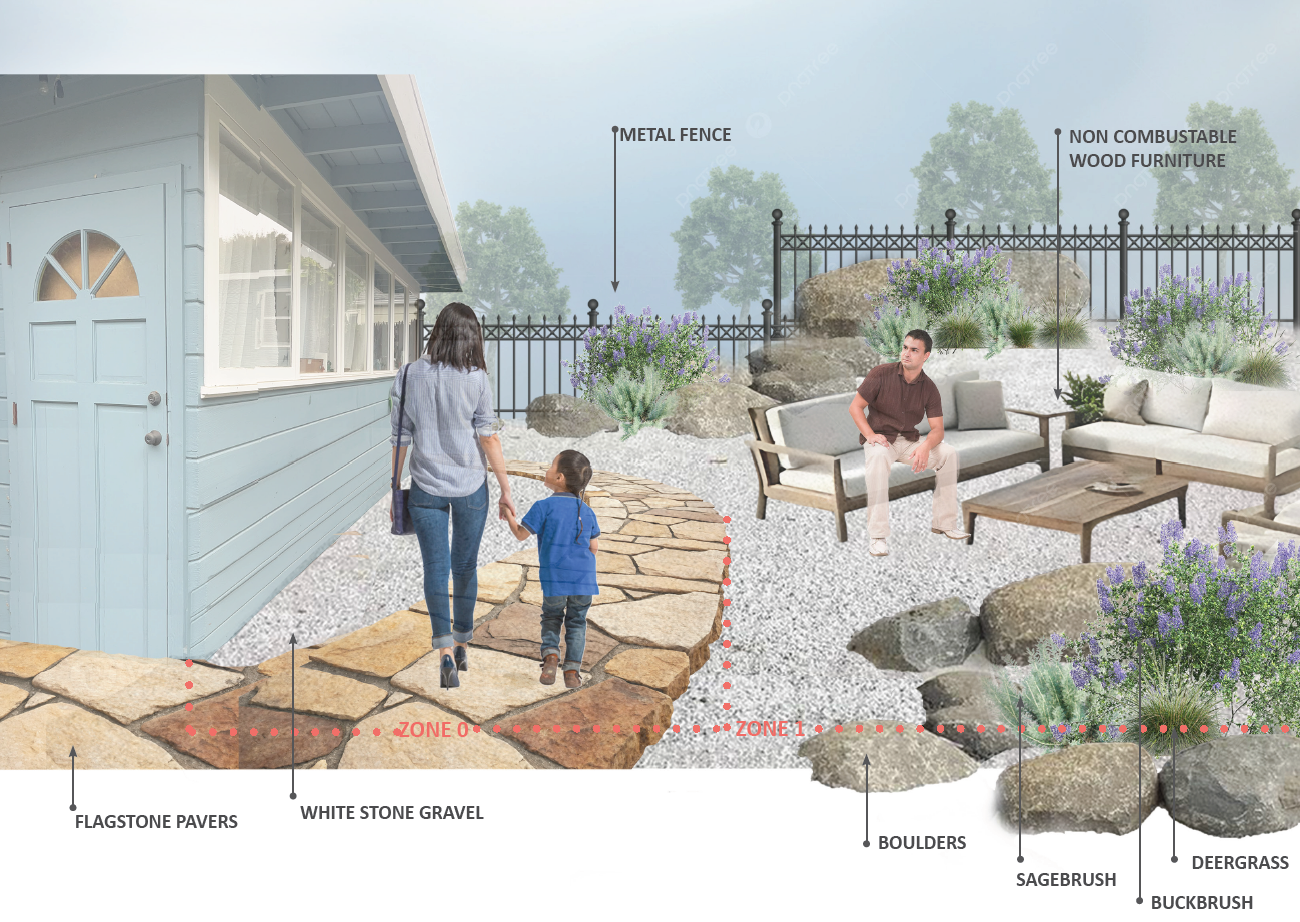
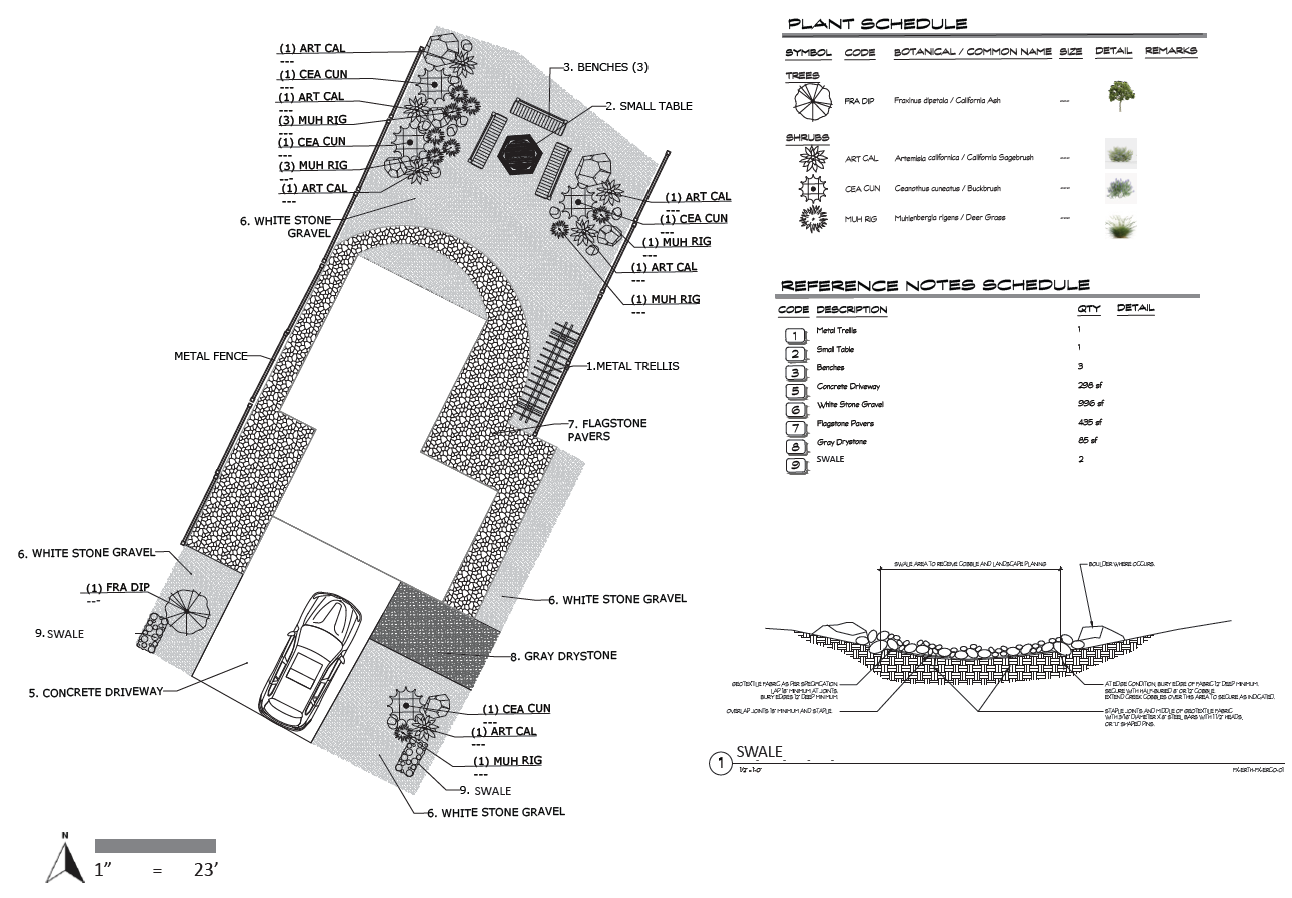
This design creates a fire resistant, defensible residential landscape that complies with EMBER regulations by using only non-combustible hardscape—such as gravel, stone, and concrete—within the first 5 feet of the home. Vegetation and wood materials are removed near structures, and metal edging keeps debris from gathering. In the surrounding zone, fire-resistant plants are widely spaced, irrigated, and maintained to eliminate dead material, while small trees are positioned away from buildings with raised canopies to prevent ladder fuels. Overall, this design balances safety and aesthetics while reducing structural ignition risk and supporting emergency access.
Author: Eliza Breder
Studio Taught by: Kristina Hill and Diego Evans
Software: Adobe Illustrator, Adobe Photoshop, AutoCAD, LandFX
Intertidal Ecosystem Restoration
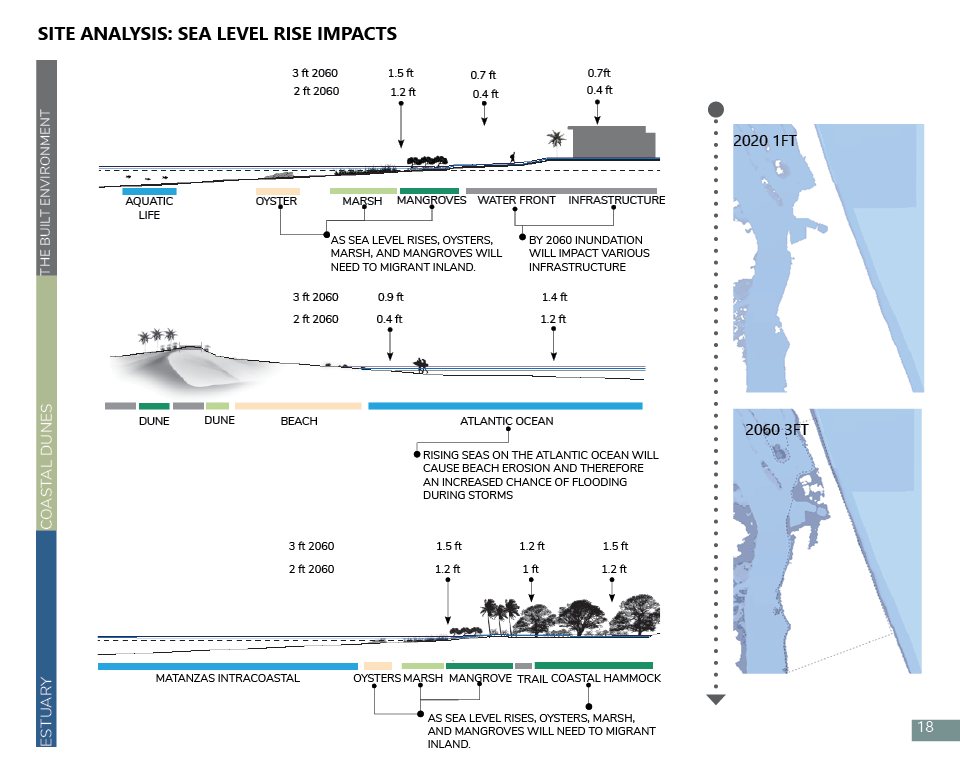
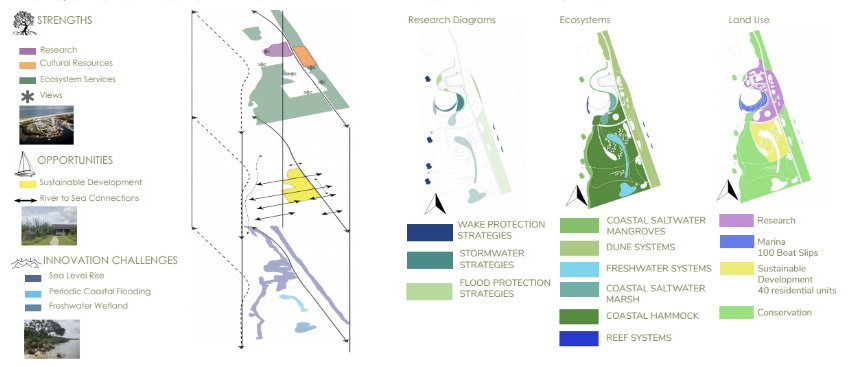
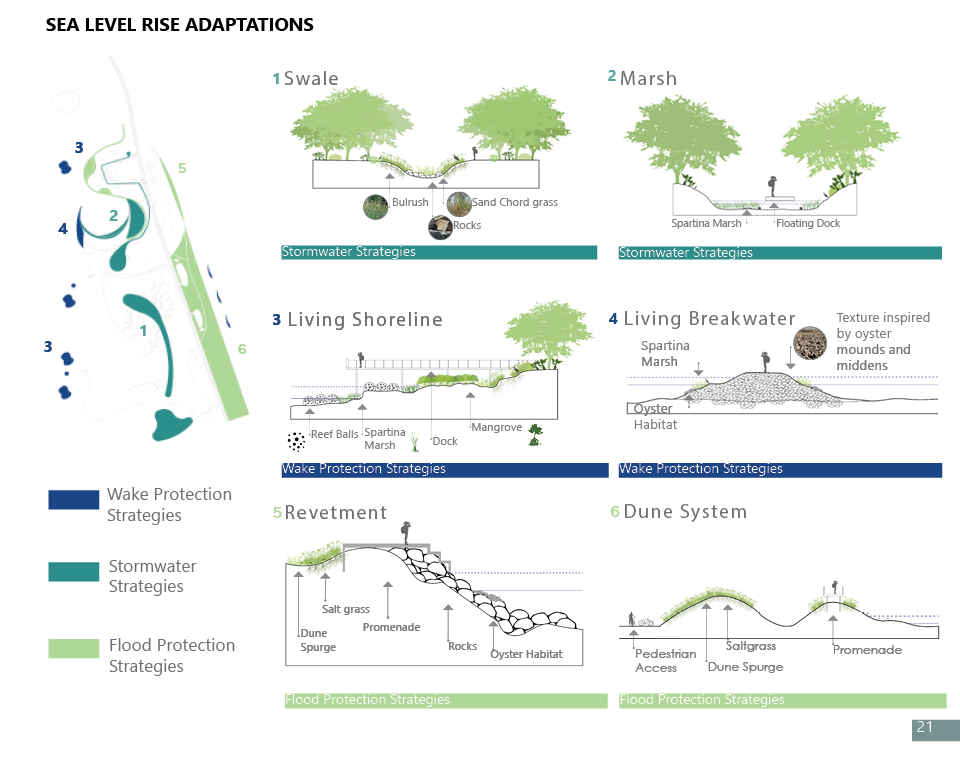
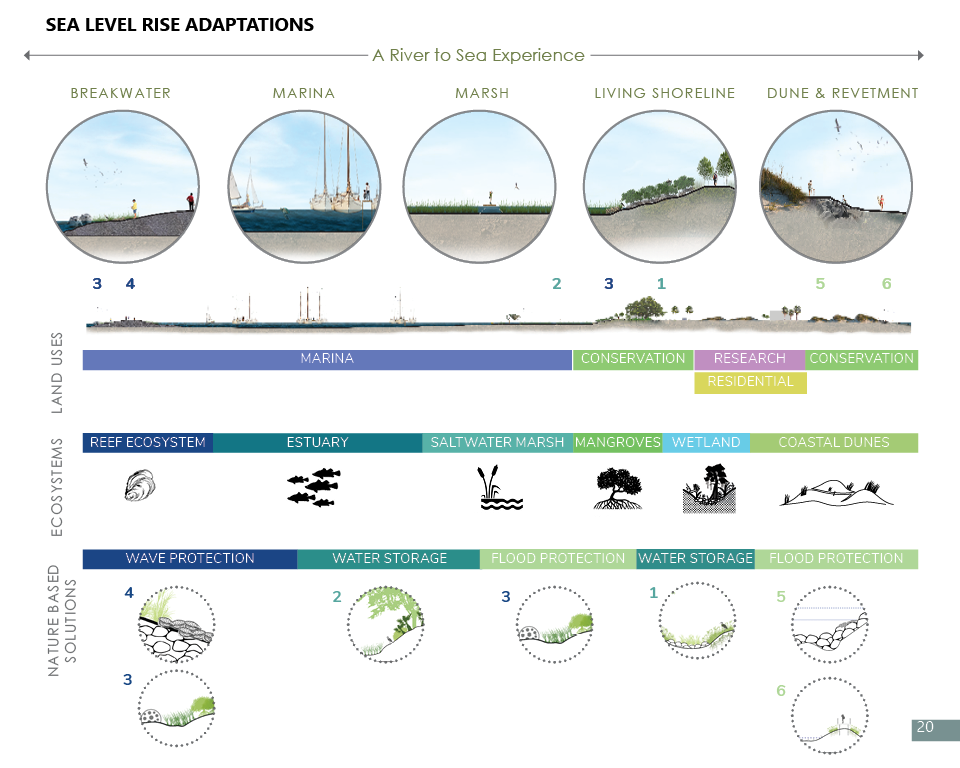
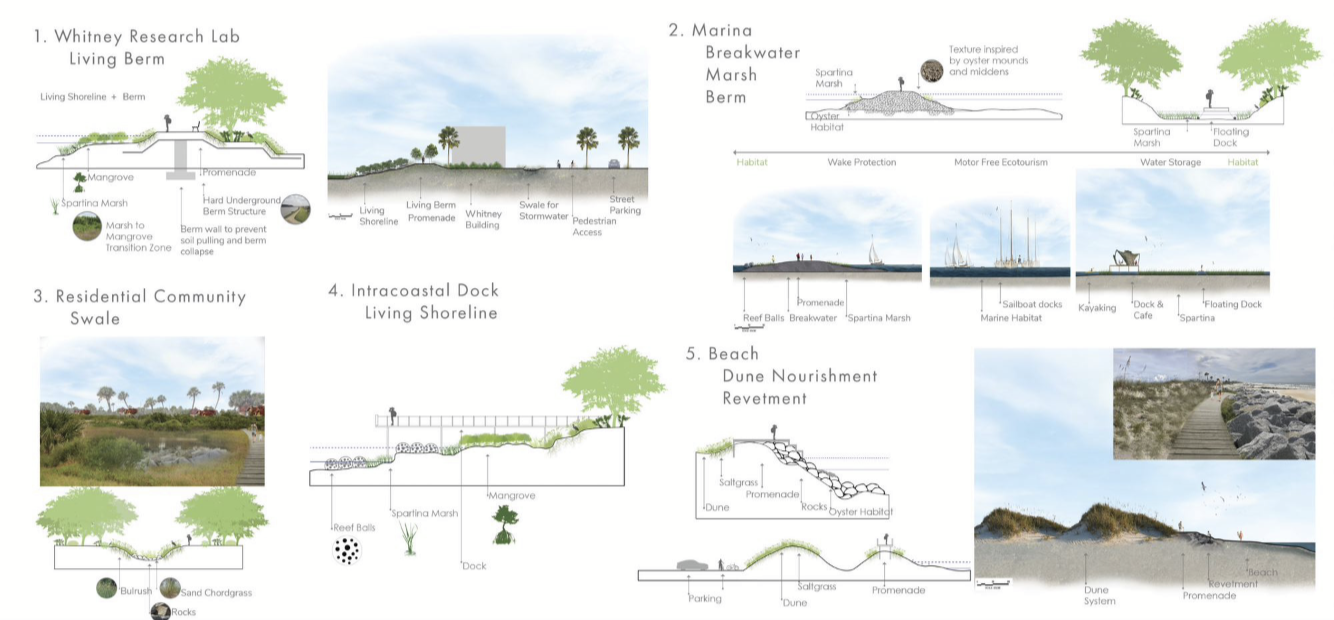
In the Face of rising seas, inter-tidal ecosystems are beginning to migrate inland and northwards. This project responds to this climate crises by understanding the variation of plant and animal life in inter-tidal zones and their movements in response to rising tides to design for both estuary and coastal tidal zones.
Author: Eliza Breder
Studio Taught by: Tina Gurucharri
Software: ArcGIS Pro, Adobe Illustrator, Adobe Photoshop, AutoCAD