Landscape transformation shapes the ecological and social conditions through which climate change is experienced
My research investigates how landscape transformations shape climate adaptation and vulnerability across rivers, deltas, wetlands, and coastal regions. By integrating historical ecology, geospatial analysis, hydrology, archival research, and critical cartography, I examine how past landscape decisions continue to influence present-day environmental conditions and develop interdisciplinary methods for a Just Climate future.
I work with the concept of water as time, where flows, cycles, adaptive culture, and impediments to these relationships are a marker of which environmental events are interpreted as meaningful and junctures in landscape transformation along pathways of colonial-settler and racial capitalism vs. place-based resistance. I am using this approach as a method to understand the deeper connection between land and water where its defined division is rooted in settler colonialism. The core of my work argues that this divided imaginary has led to contemporary vulnerability. I am applying a conjunctural analysis to specify the moments in hydro-social-archival-time that both disrupt rooted cultural practices that live with variability of water and the lifeways that resist such disruption.
This work is driven by community-based initiatives, seeking to be in conversation with questions posed by Black and Indigenous communities grappling with long histories of environmental injustices, resistances to racial capitalism and settler colonialism, and the compounding impacts of climate change.
O E U V R E
Gulf Coast
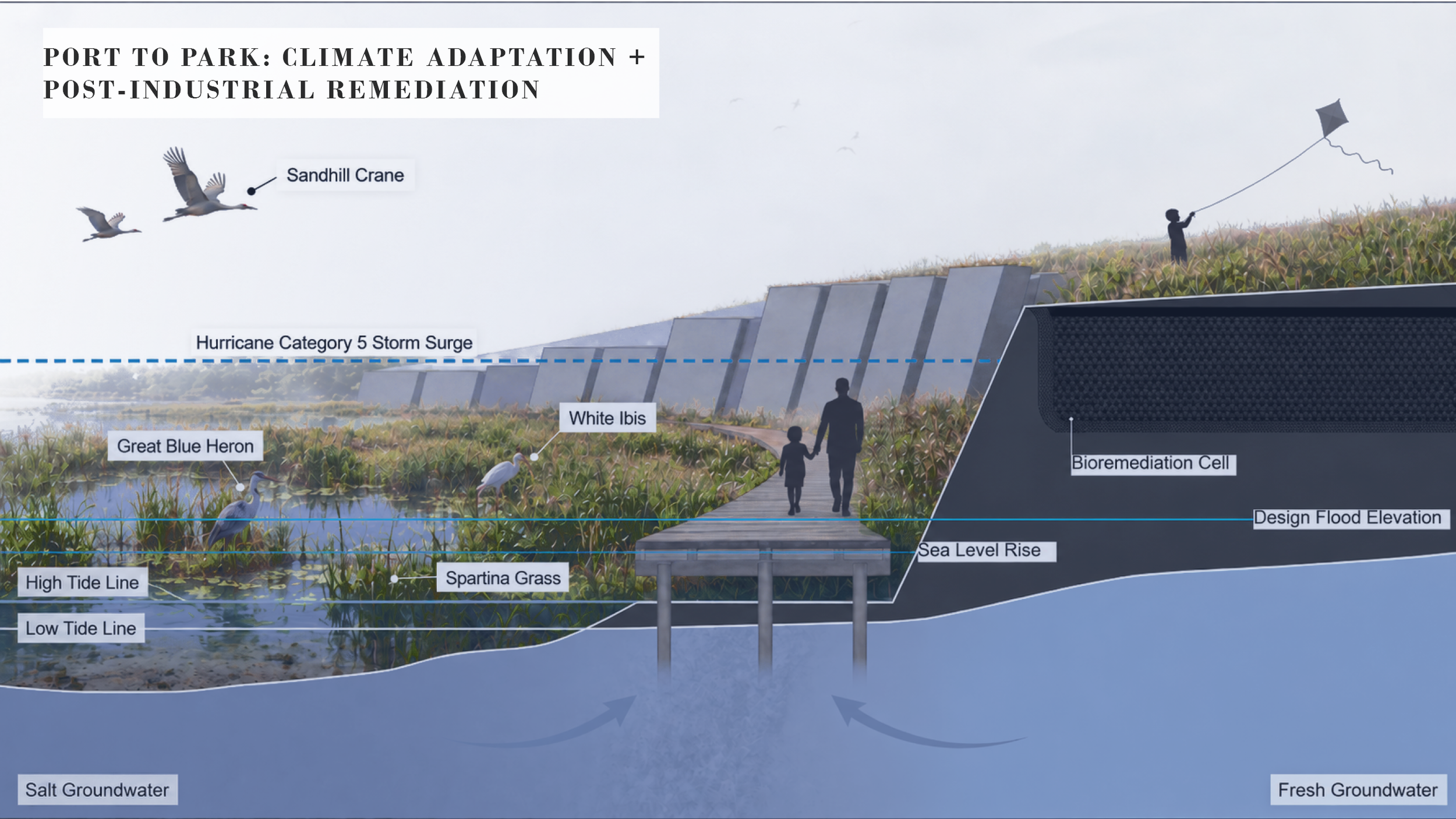
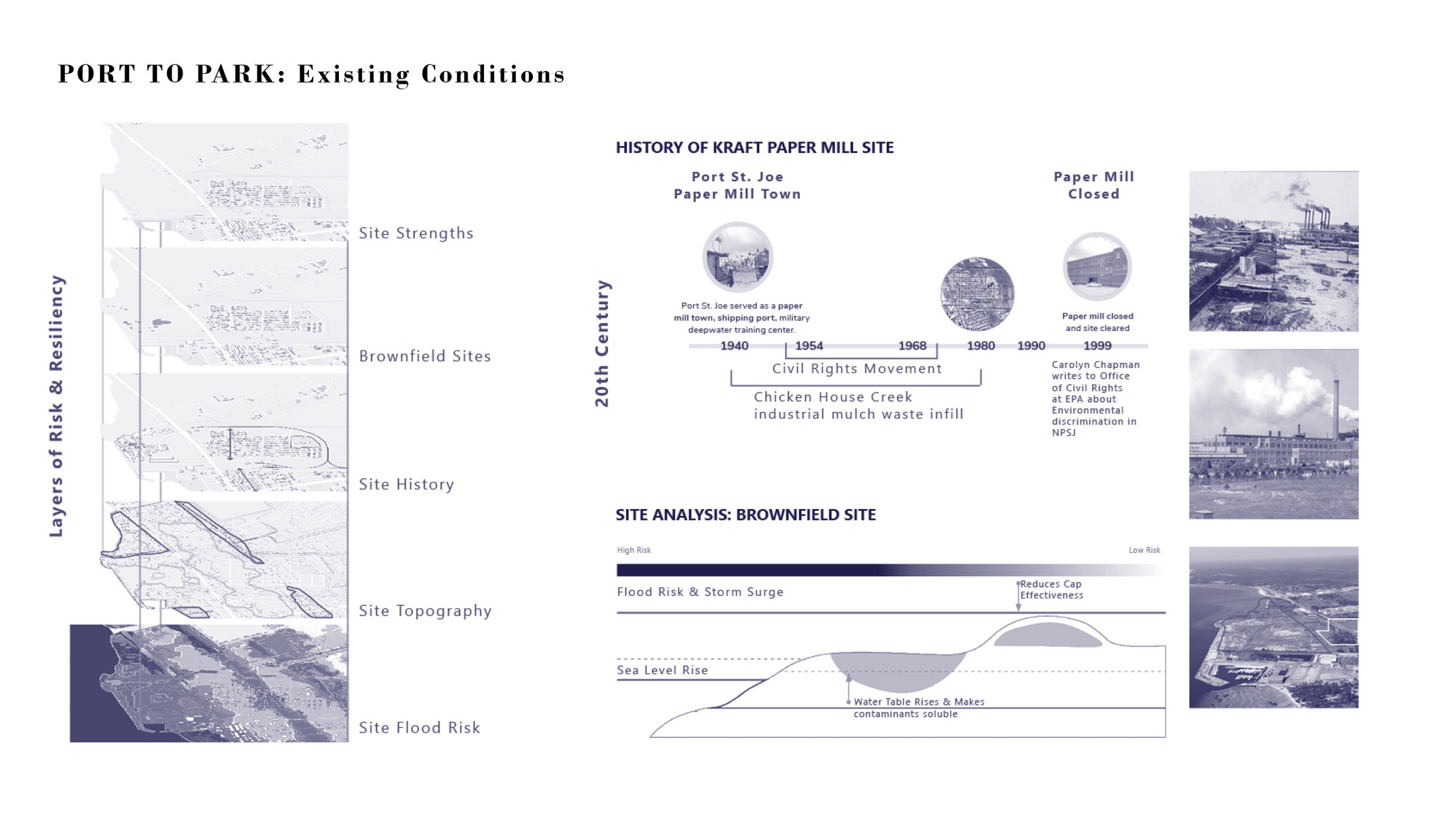
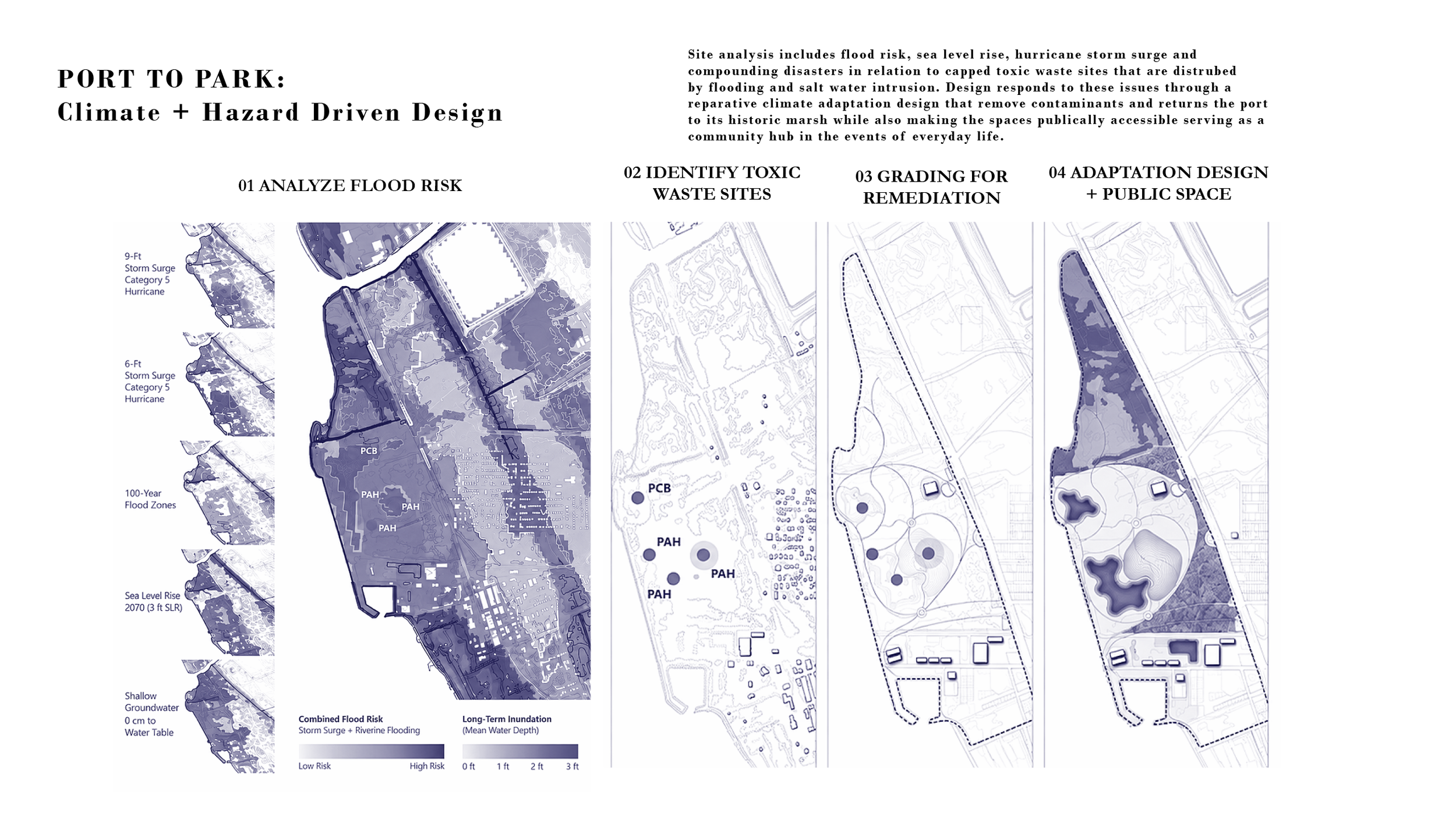
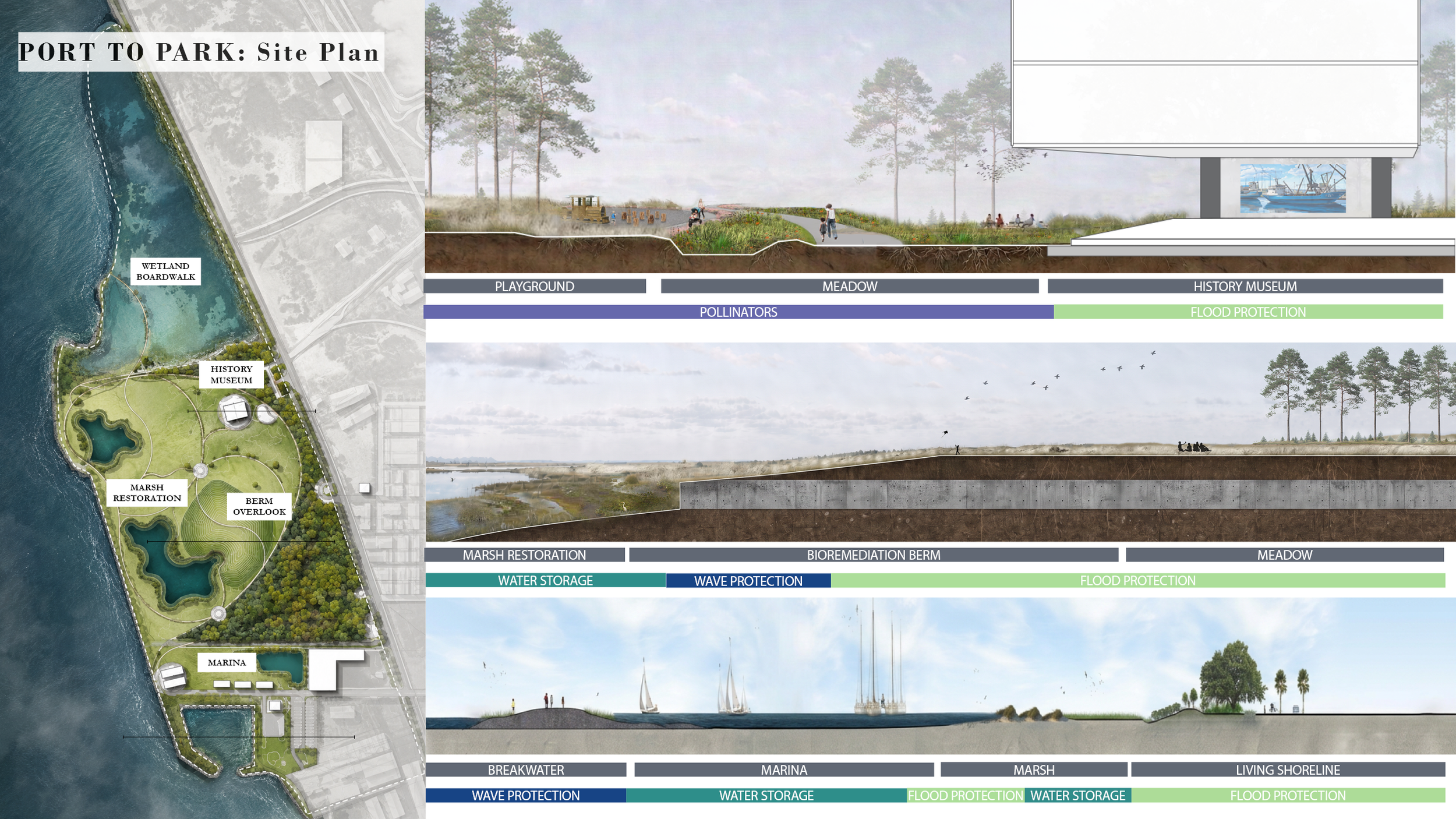
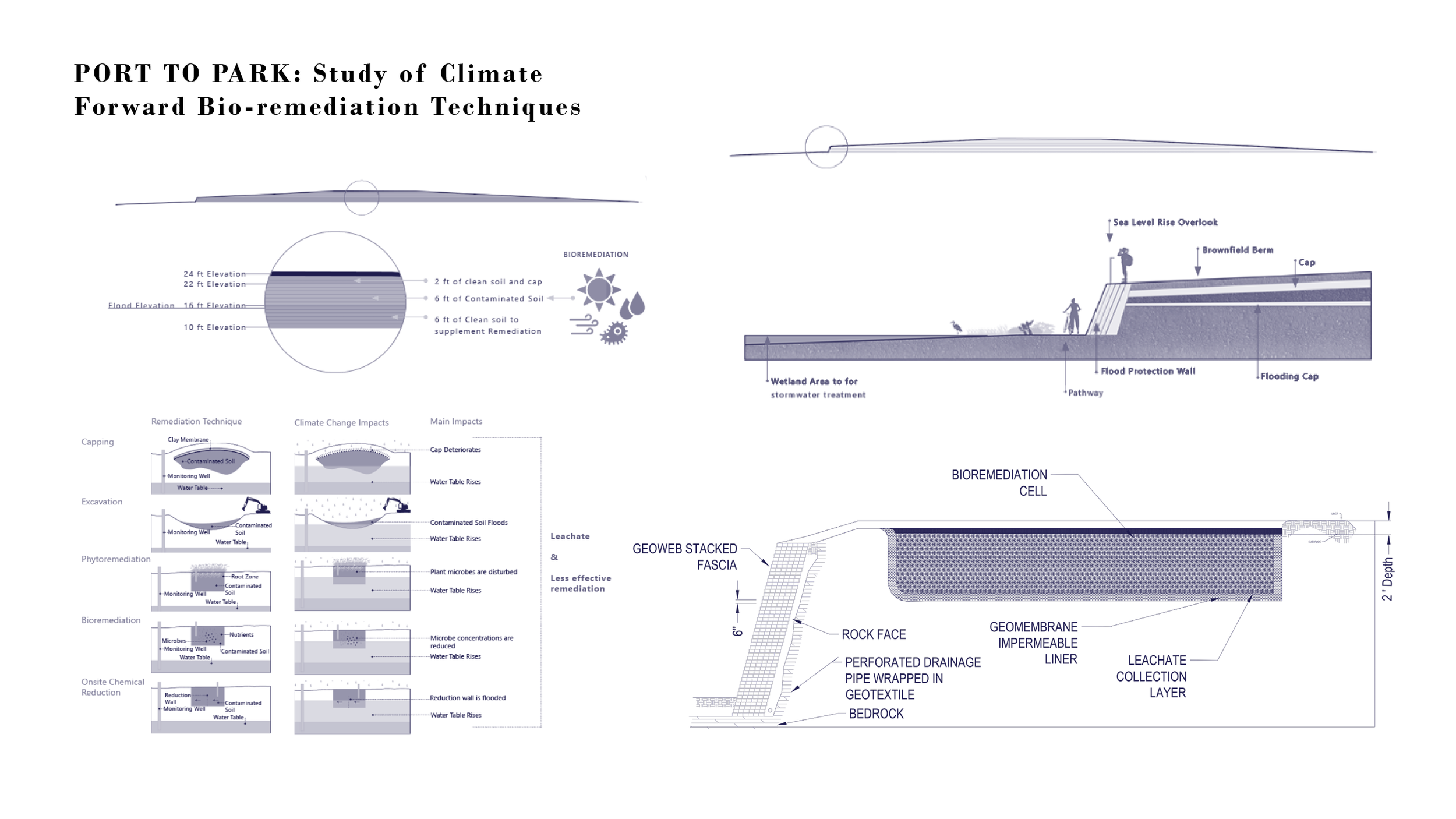
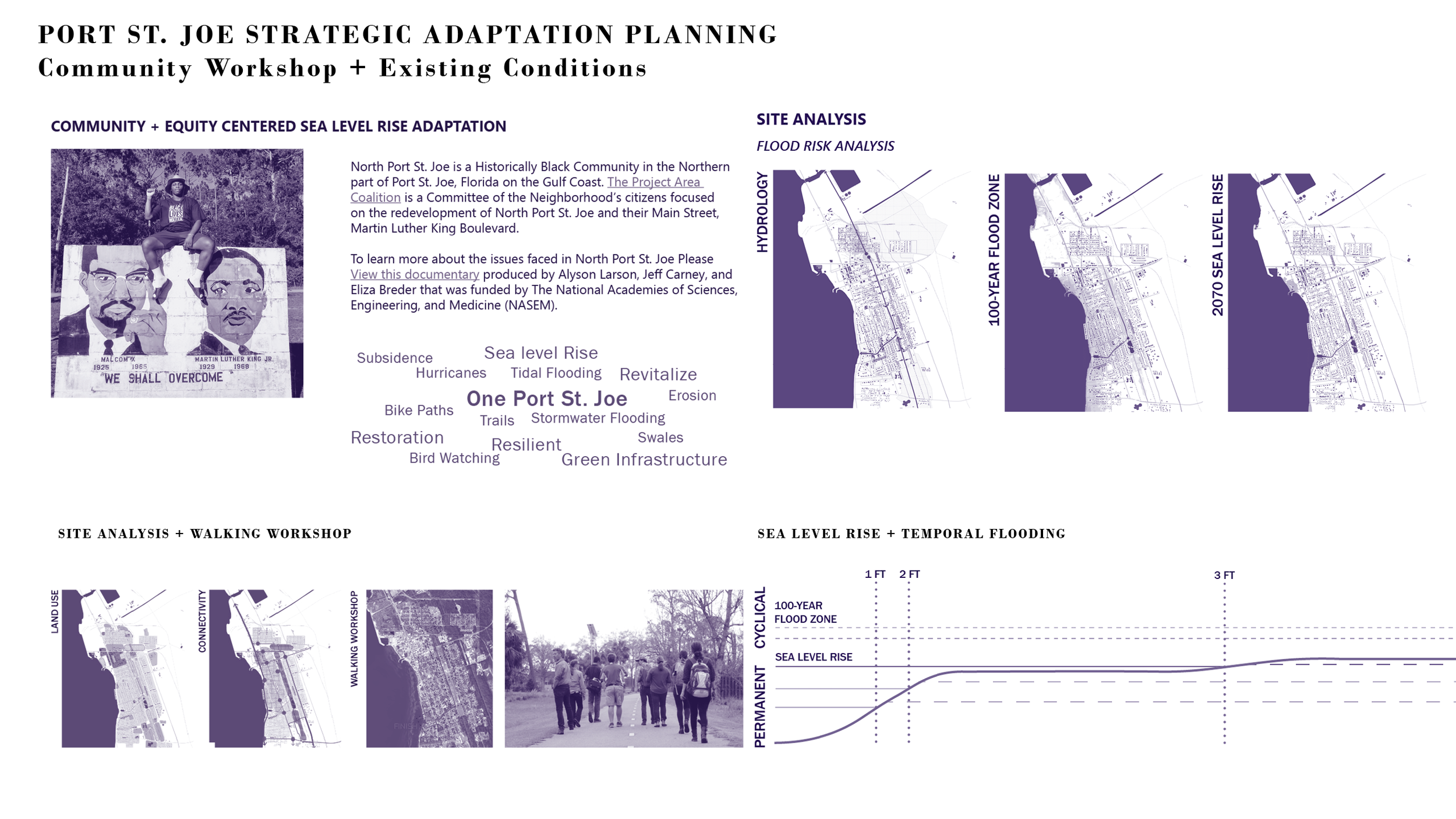
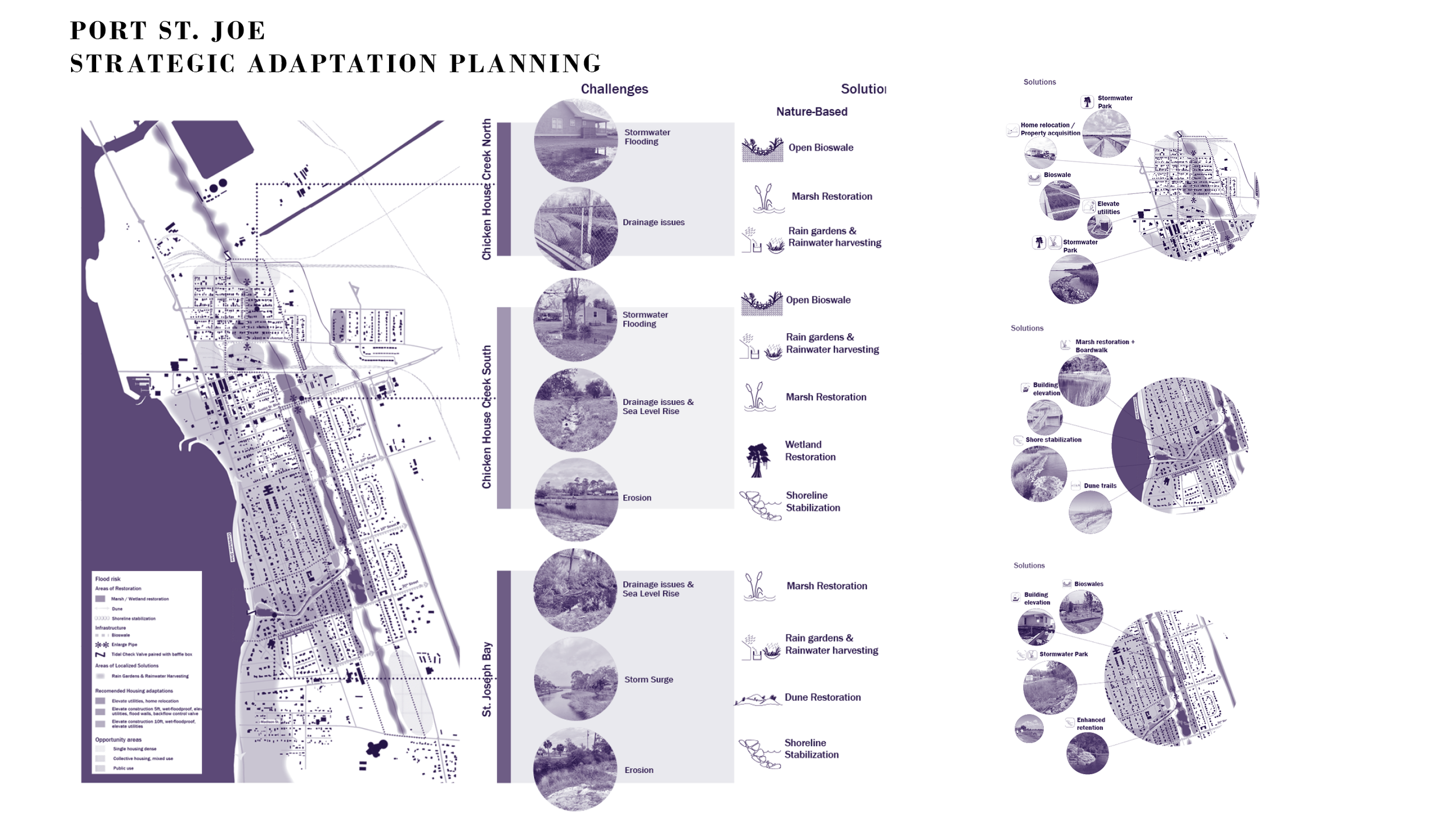
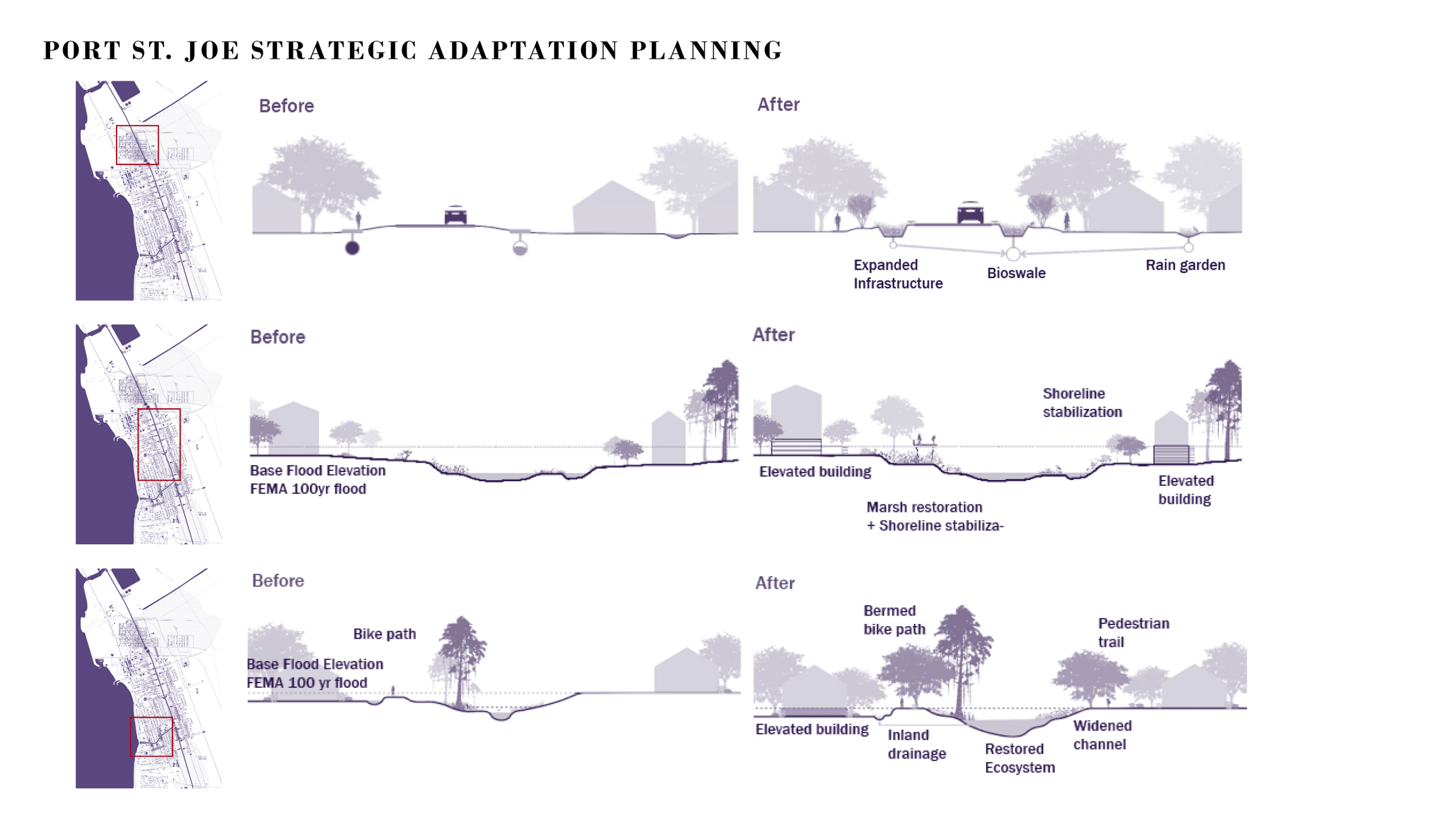
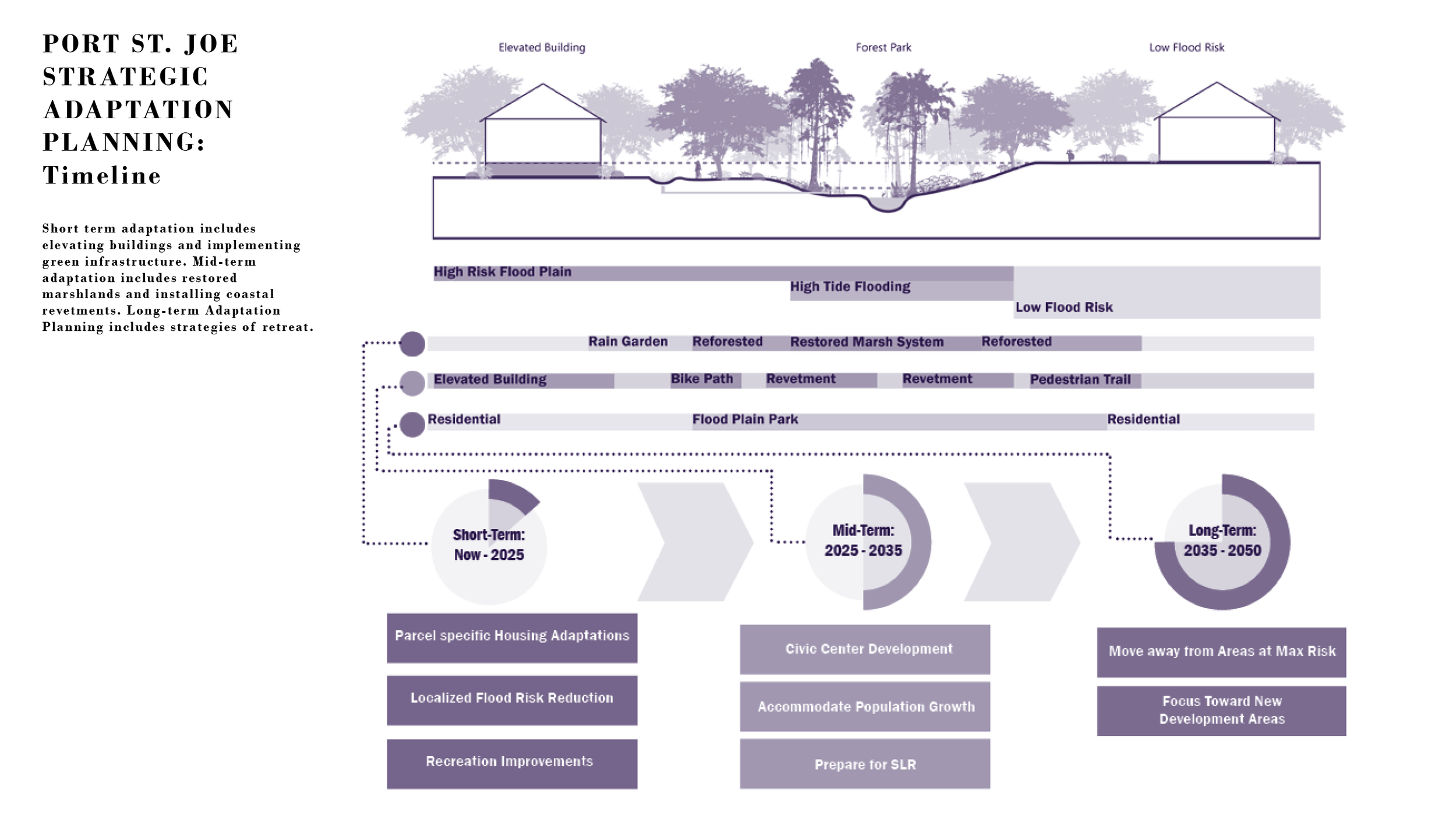
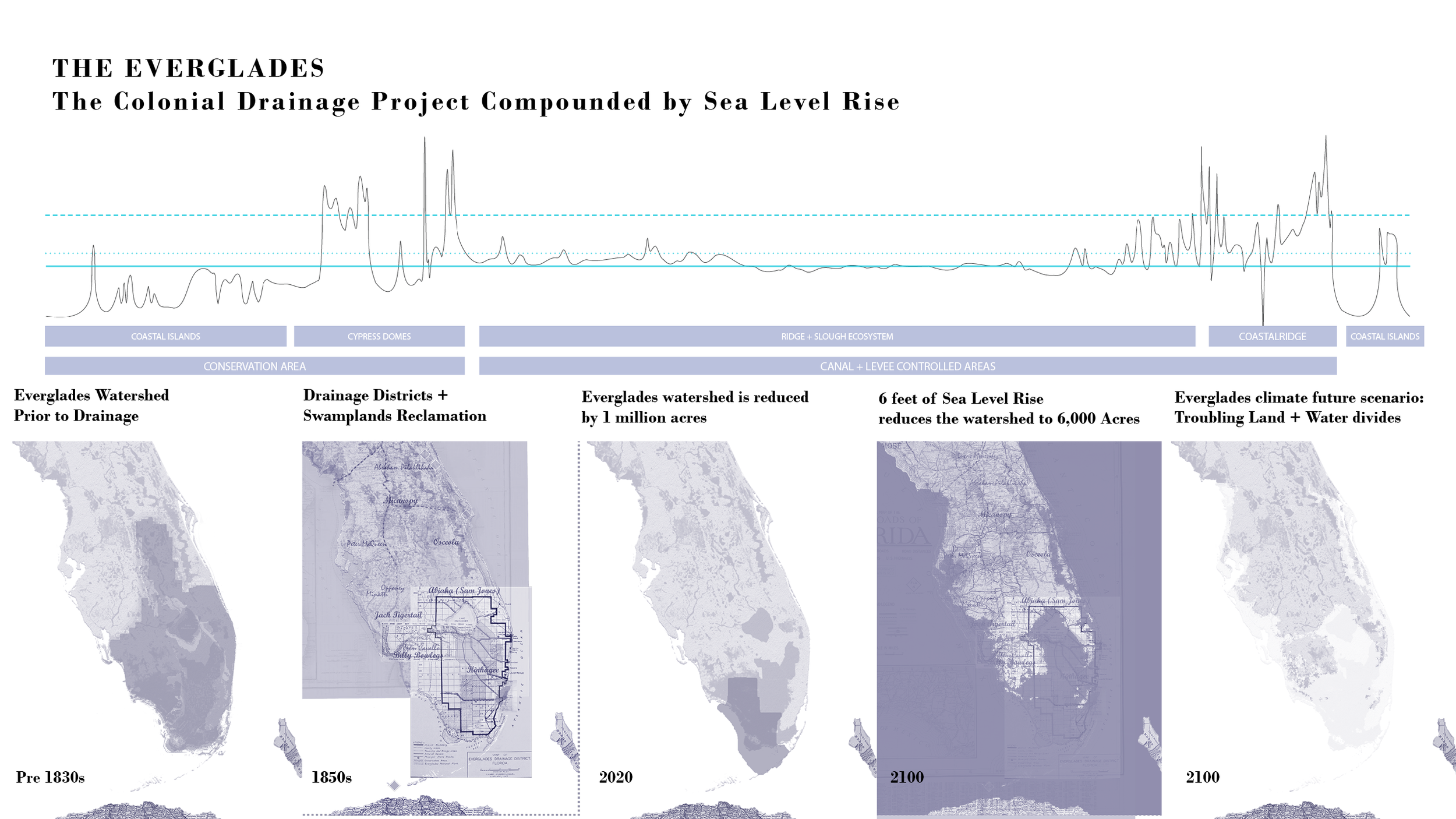
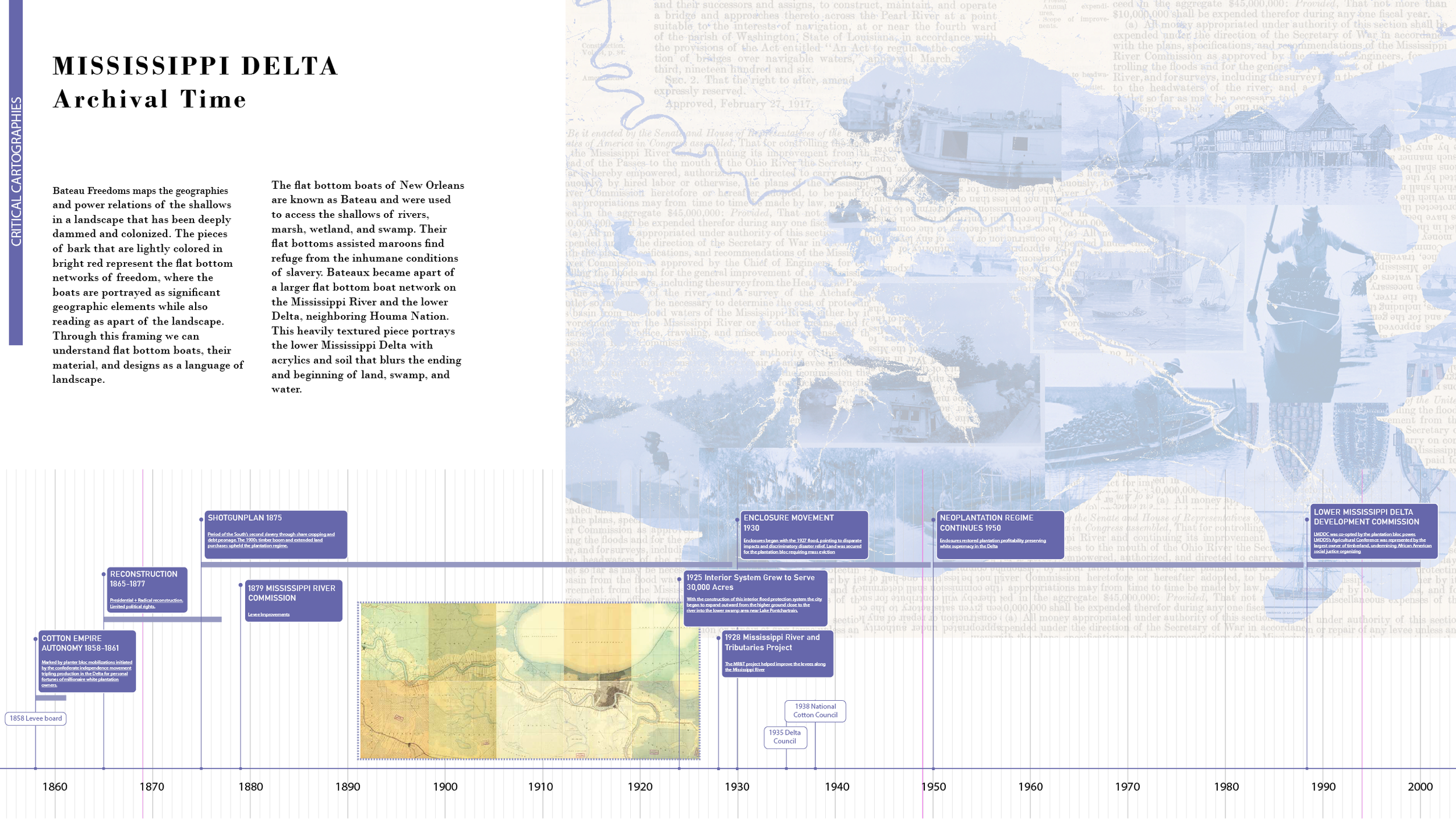
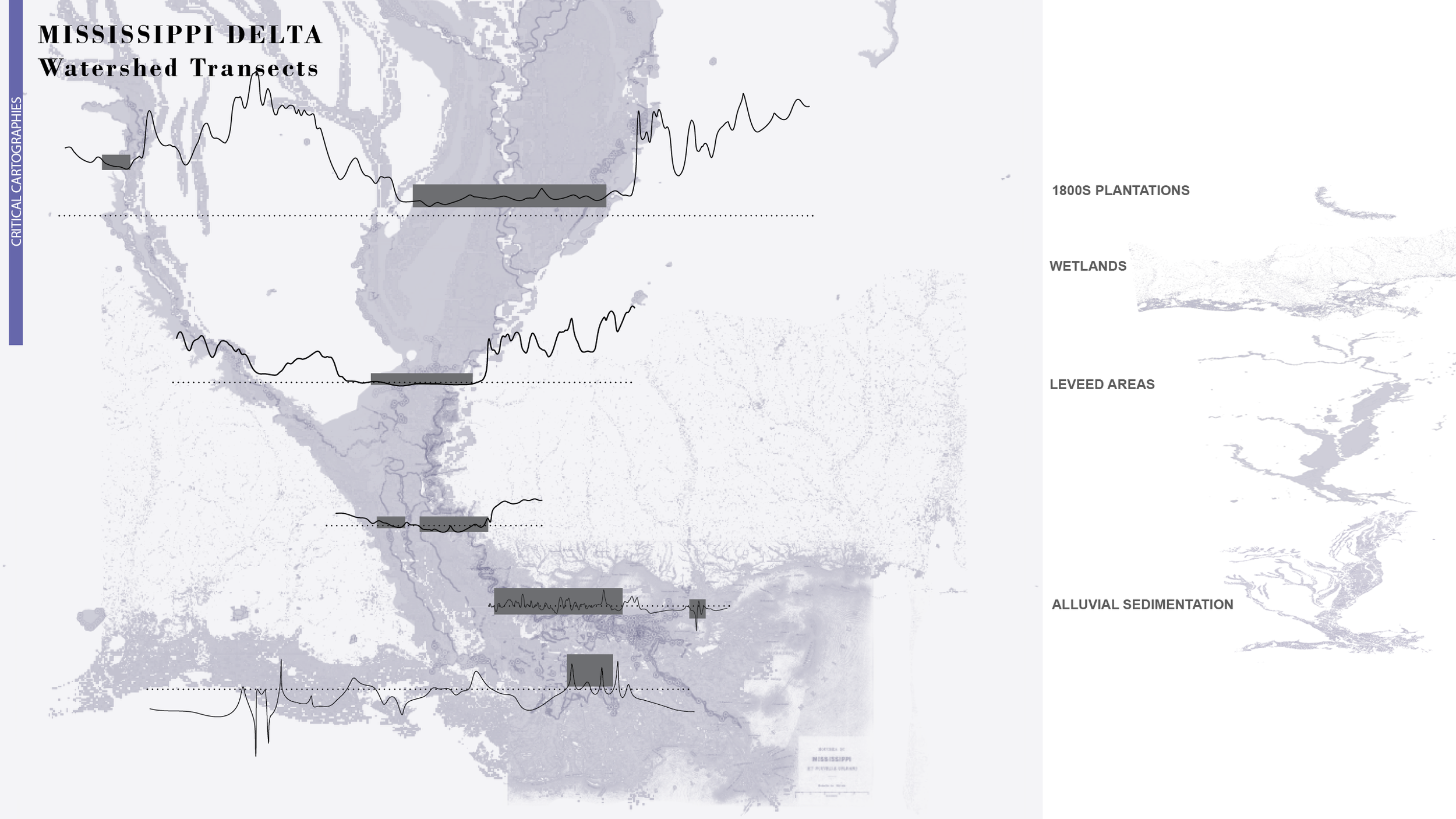
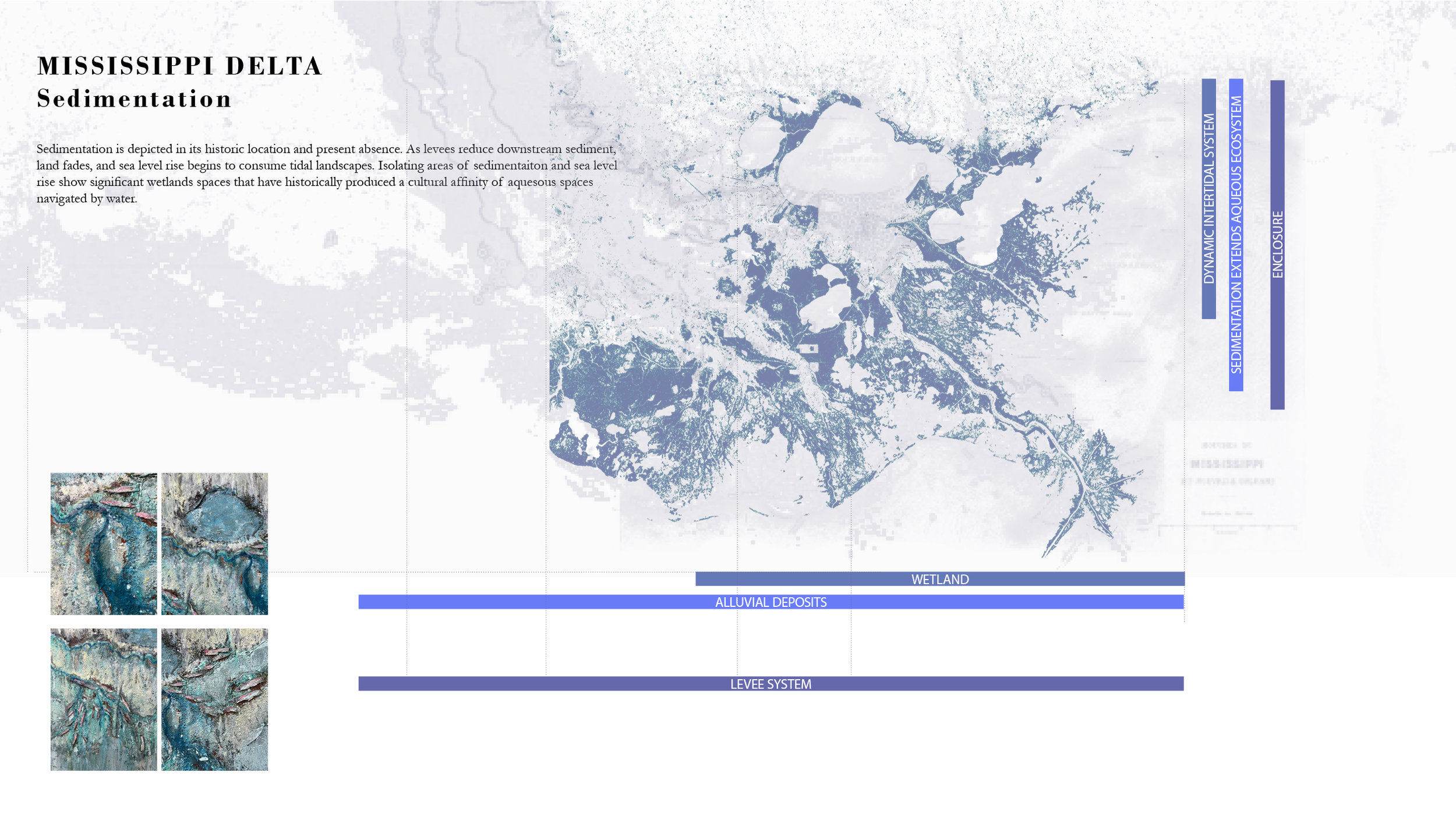
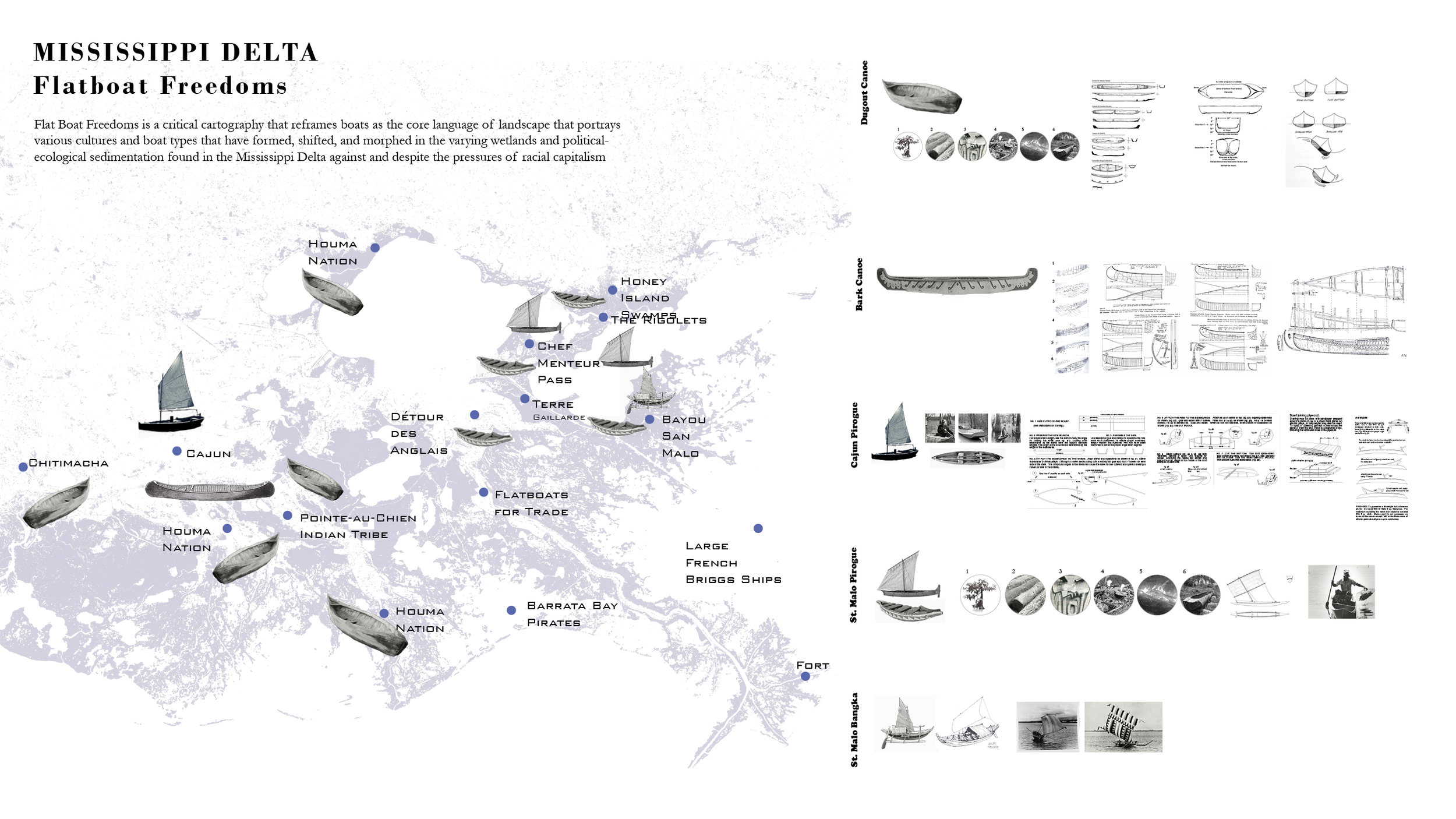
My Gulf Coast research examines how historical land transformation, racialized development, and water-management infrastructure have produced uneven landscapes of environmental risk and vulnerability. Drawing on political ecology, historical ecology, and critical cartography, the work combines archival research, spatial analysis, and speculative design to trace relationships between ecological change, land governance, and racial capitalism. It reveals how contemporary flood vulnerability is not simply a consequence of climate change, but an accumulation of historical decisions about land, infrastructure, and whose communities are protected or exposed.
California
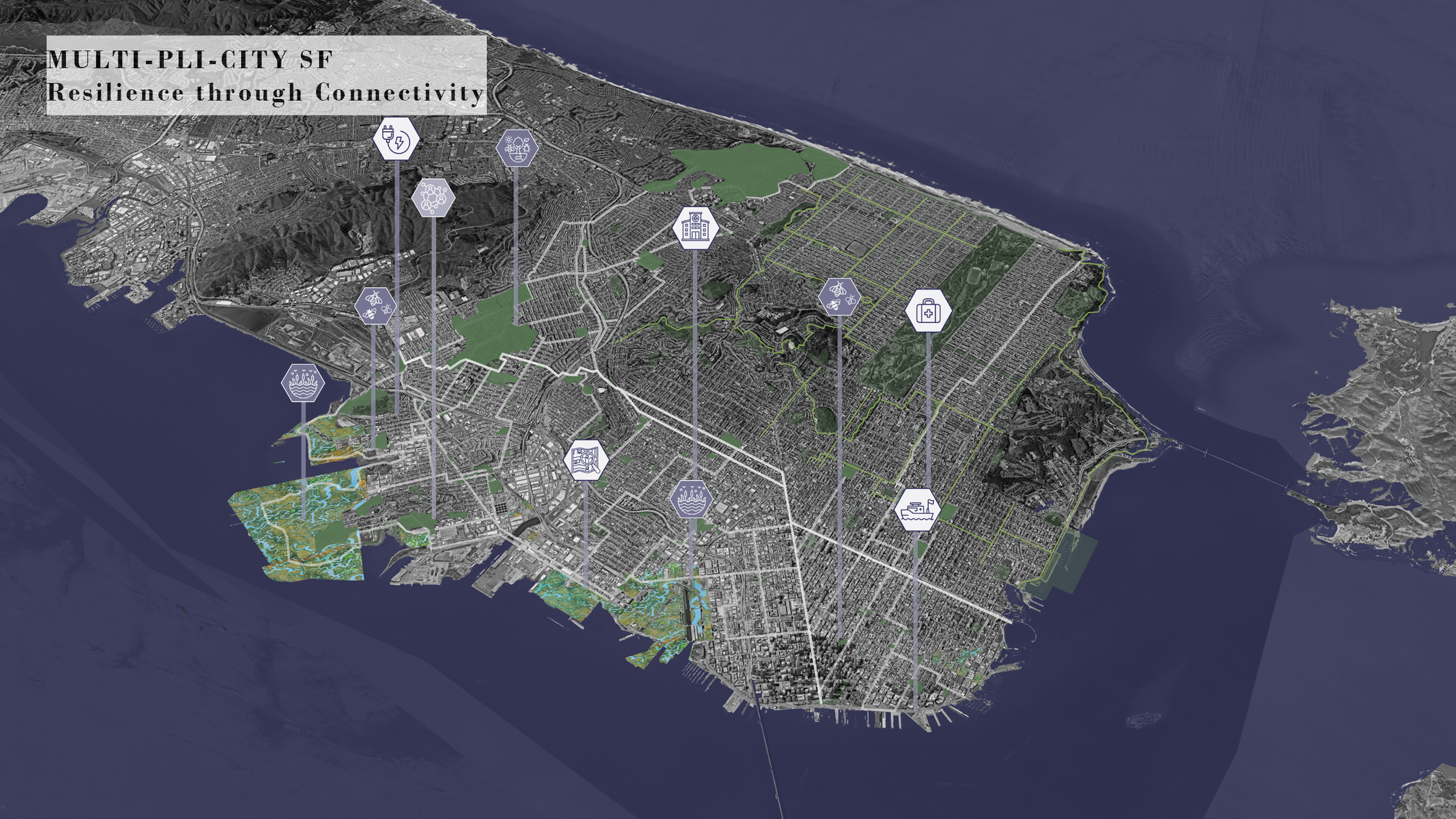
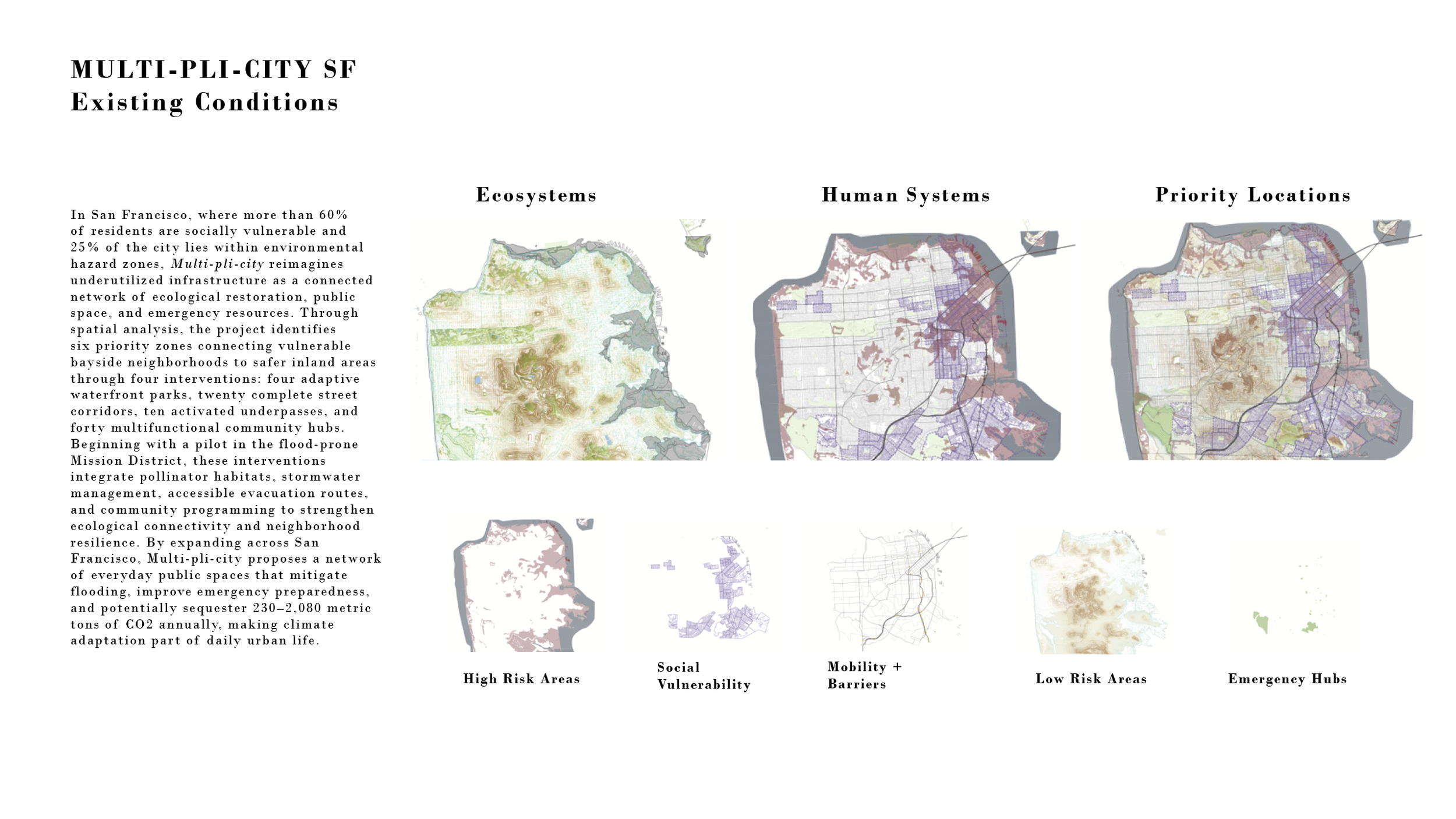
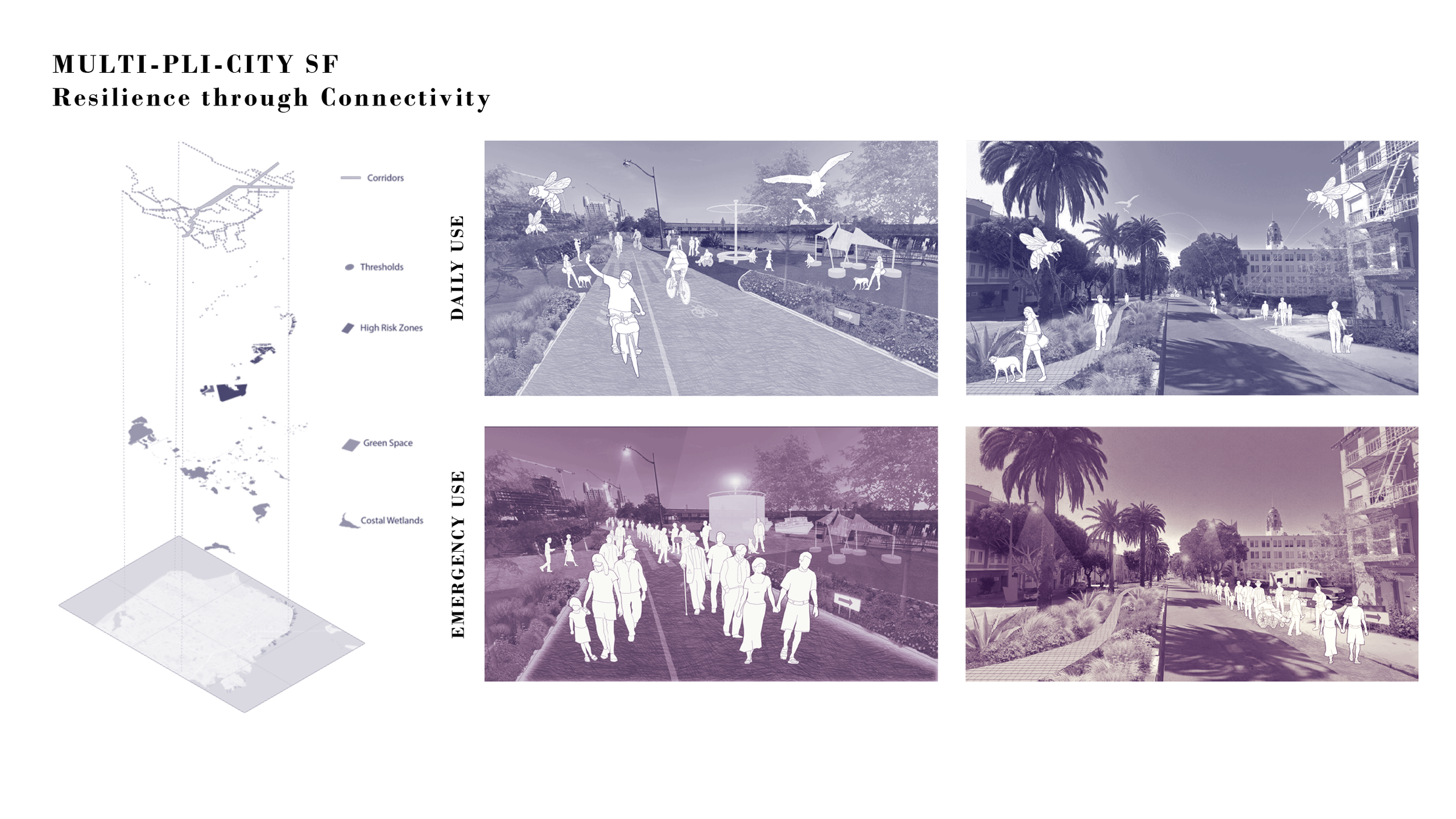
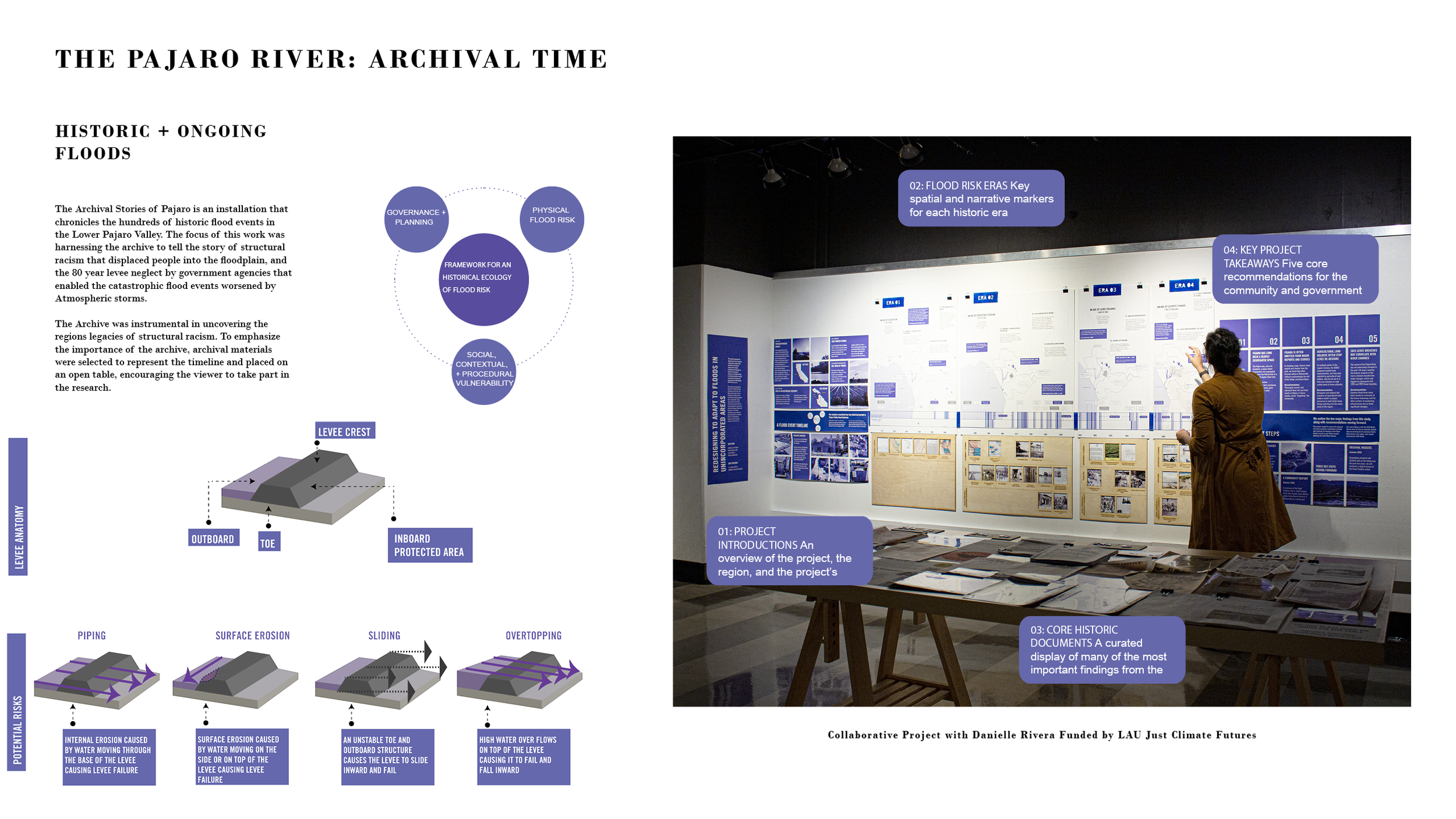
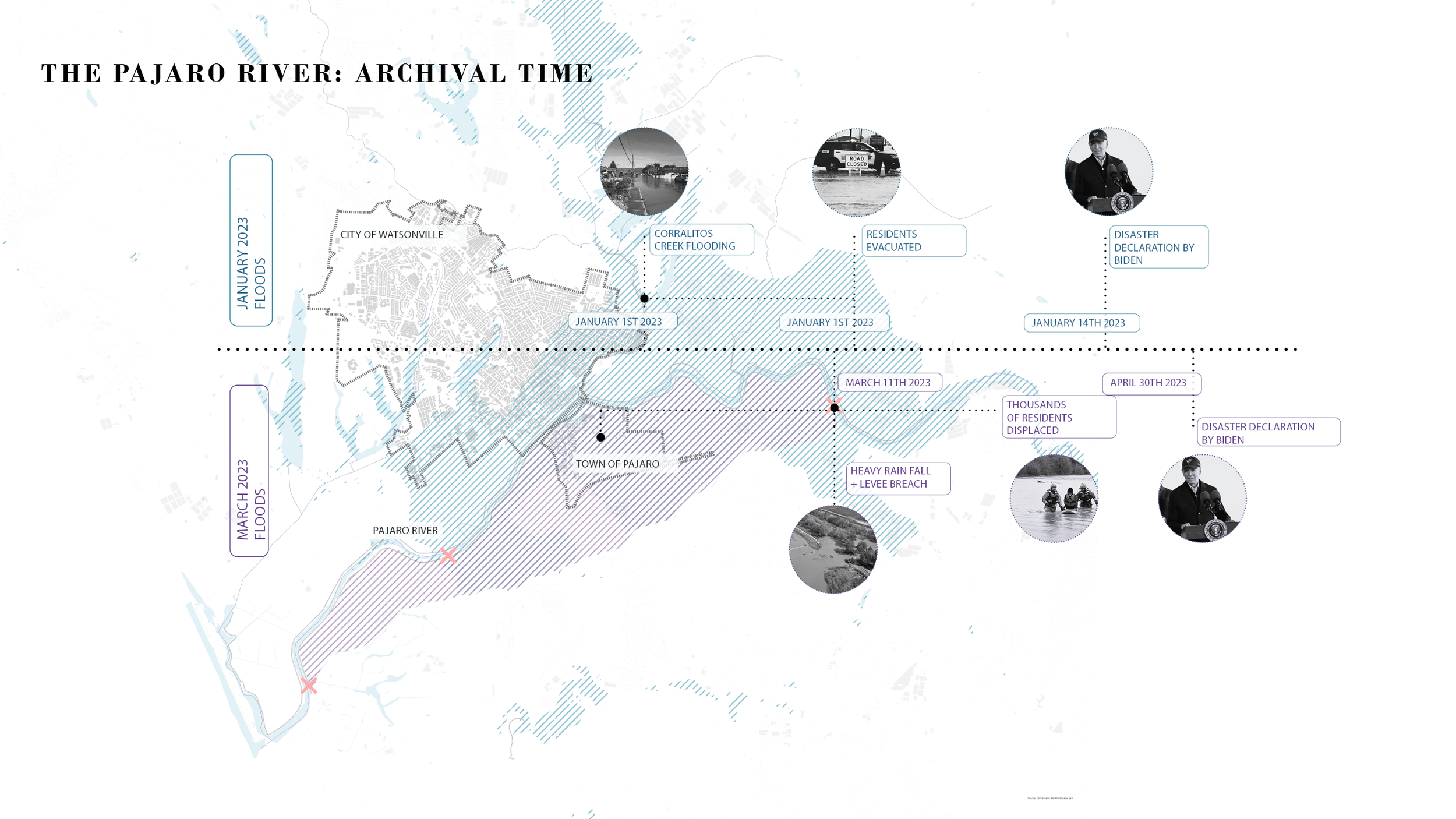
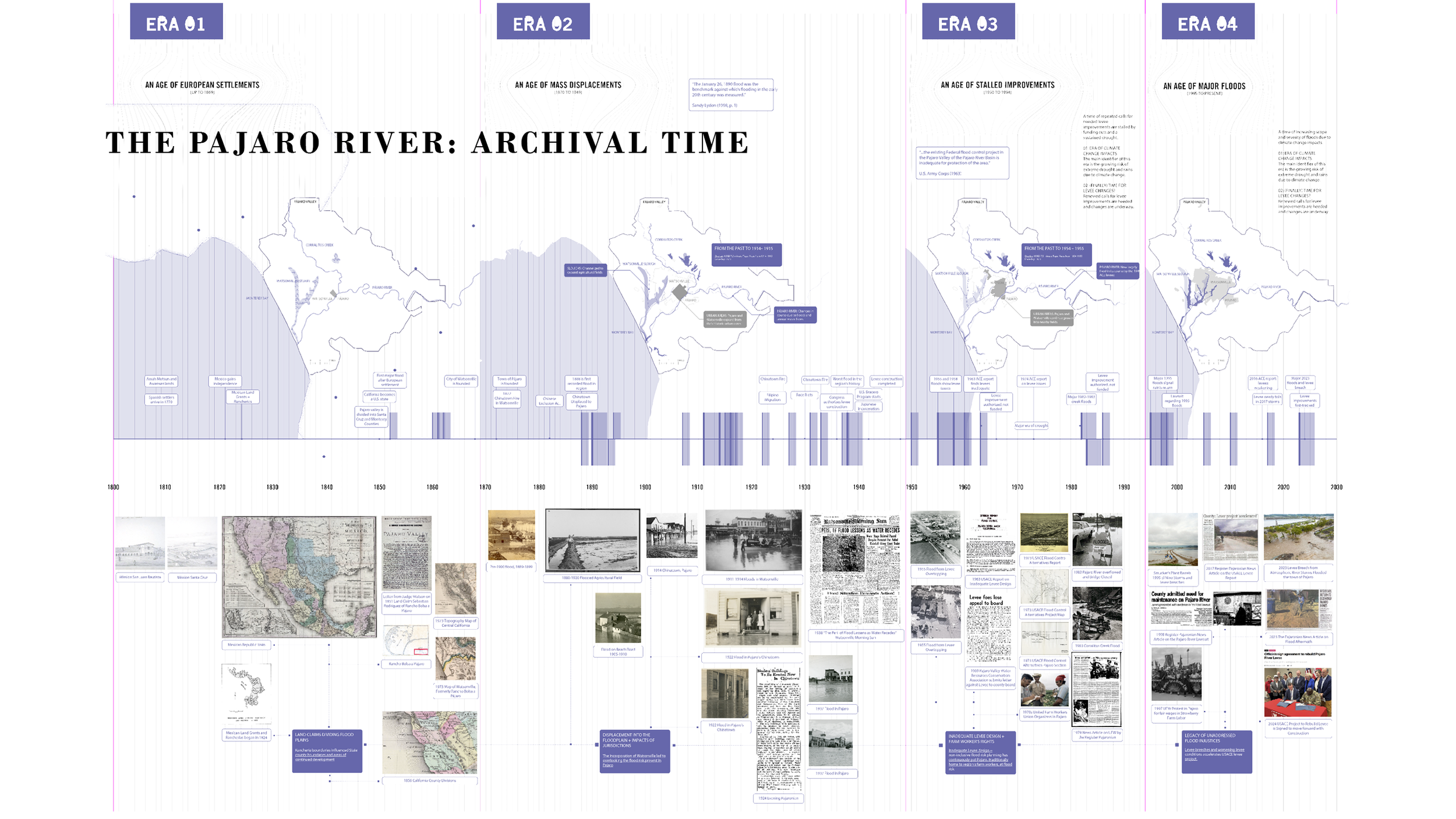
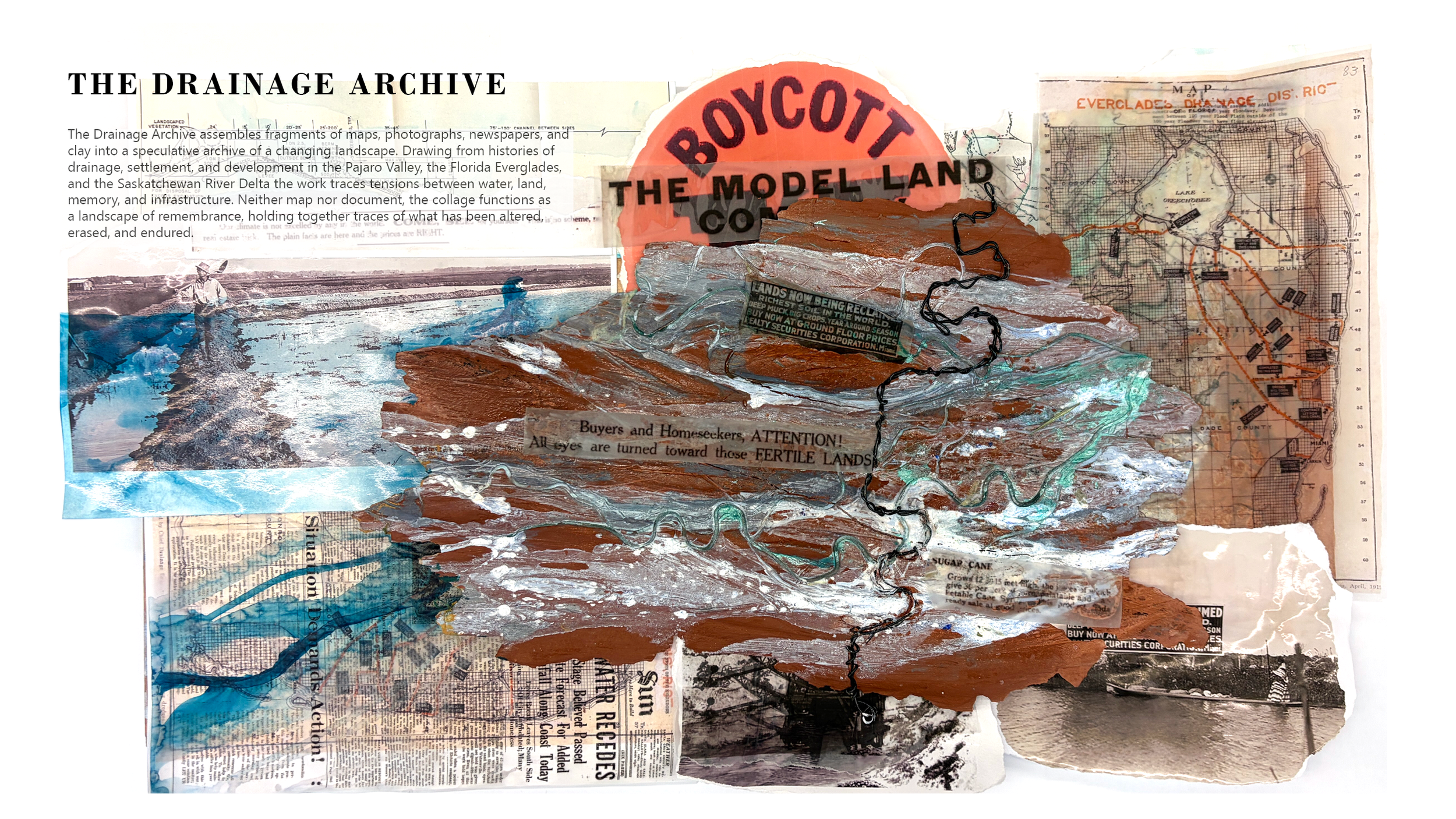
My California-based research examines how histories of land reclamation, urban development, and hydraulic infrastructure have transformed regional ecologies and produced uneven exposures to flooding, sea-level rise, and climate-related hazards. Integrating critical cartography, historical ecology, spatial analysis, and community-engaged research, this work traces the relationships between environmental change, infrastructure, and social vulnerability across coastal and inland landscapes. Through projects in the Pajaro Valley, San Francisco Bay Area, and Sacramento–San Joaquin Delta, it demonstrates how contemporary climate risks emerge from historical land-use decisions and unequal systems of environmental governance, while identifying opportunities for more just and ecologically responsive adaptation.
Film, Photography, Documentary
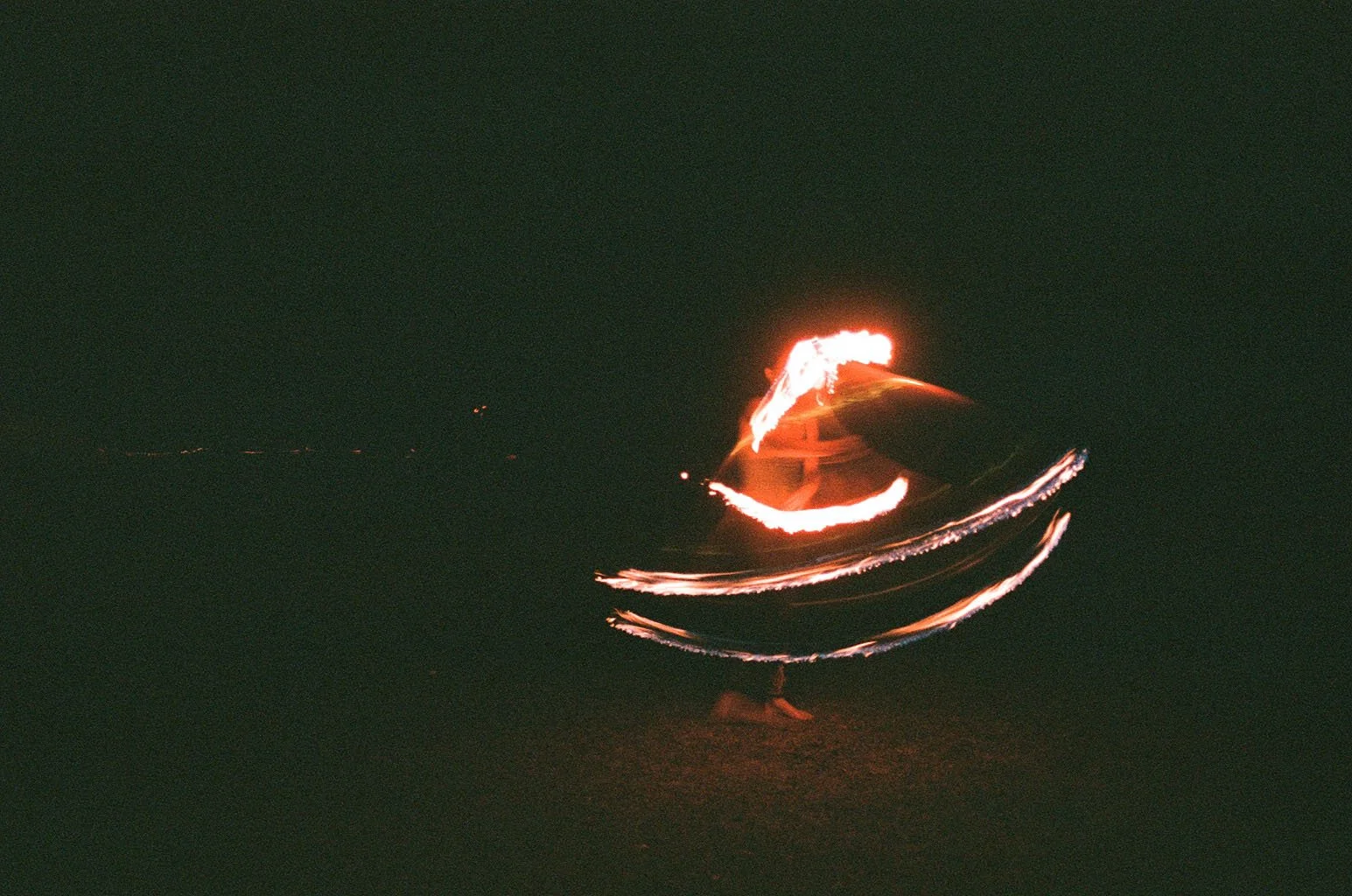
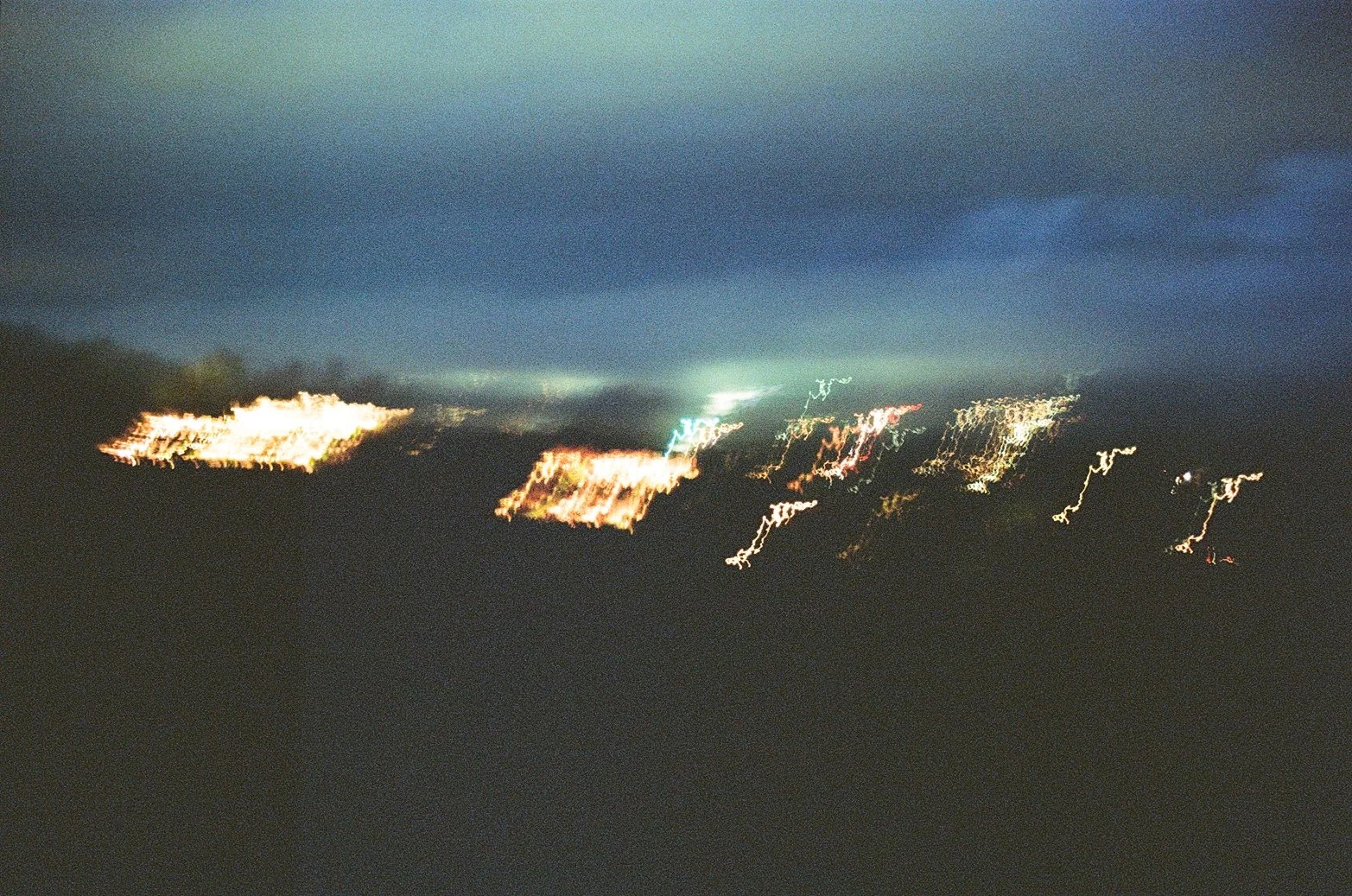








After Michael: Memory and Reinvention in Port St Joe
In Times of Crisis is a documentary produced by Jeff Carney, Eliza Breder, and Carla Brissoto - Directed by Alyson Larson and supported by the National Academies of Sciences, Engineering, and Medicine (NASEM). The documentary is focused on the Gulf of Mexico, a region that has faced numerous crises in the last fifteen years. Acute disasters – such as Hurricane Katrina in 2005, the Deepwater Horizon Oil Spill in 2010, and COVID-19 plus a record-breaking five-hurricane season in 2020 – as well as longer-term and compounding disasters – the climate crisis and rising sea levels, the opioid epidemic, increasing health disparities, and more – pose grave threats to the region. The need to connect academic experts with local community knowledge, assets, and needs is urgent in order to prepare for and to recover from these crises. The In Times of Crisis project explores and brings attention to these campus-community partnerships through short films that offer insights into the lived experiences of campus professionals as they engage with local communities “in times of crisis.”